Most parents add teen drivers to an existing policy assuming it's cheaper than a separate policy, but in Nebraska, splitting high-risk teens onto a standalone minimum coverage policy can cut total household insurance costs 15-30% depending on vehicle assignment and carrier.
The Policy Split Calculation Most Nebraska Parents Miss
Your 16-year-old just got their license, and you called your insurer expecting a rate increase. What you likely received was a quote to add them to your existing policy — but your agent probably didn't run the numbers on a different configuration: keeping your current policy intact and opening a separate minimum liability policy in your name with the teen listed as the primary driver of your oldest vehicle.
In Nebraska, where minimum liability coverage (25/50/25) runs approximately $35-65/mo for an adult driver on a 10+ year old vehicle, this split-policy approach creates a distinct rate calculation. The teen's high-risk profile gets isolated on the cheaper vehicle and cheaper coverage tier, while your primary vehicles stay on your original policy at your established rate. Industry data suggests this configuration can reduce total household premiums by 15-30% compared to adding the teen to a full-coverage family policy, particularly when the family policy includes comprehensive and collision on newer vehicles.
The math works because teen driver surcharges are typically calculated as a percentage multiplier applied to the base premium of each vehicle they could access. On a full-coverage policy insuring a $30,000 vehicle, that multiplier compounds on a much larger base cost. On a liability-only policy covering a $3,000 vehicle, the same percentage increase applies to a fraction of the premium. Nebraska doesn't prohibit this approach, but most parents never hear about it because bundling everyone on one policy is simpler to administer and often generates higher commissions for agents.
What Nebraska Minimum Coverage Costs for Teen Drivers
Nebraska's statutory minimum liability requirement is 25/50/25: $25,000 per person for bodily injury, $50,000 per incident, and $25,000 for property damage. For a 16-17 year old male driver on a standalone policy insuring a 2010-2015 sedan in Omaha, expect minimum liability premiums between $180-280/mo depending on carrier, ZIP code, and whether the teen has completed driver's education.
Female teen drivers in the same profile typically see rates 8-15% lower, landing closer to $165-250/mo. Rural Nebraska ZIP codes — particularly in counties like Cherry, Arthur, or Garden — can run 20-35% cheaper than Omaha or Lincoln metro rates due to lower accident frequency and theft rates. A teen in Valentine insuring a 2012 pickup on minimum coverage might pay $140-190/mo, while the same driver in downtown Omaha could see $200-300/mo.
Driver's education completion can reduce these rates by 10-15% at most carriers, and some Nebraska insurers offer additional discounts for good student status (typically 3.0 GPA or higher), which can shave another 5-10% off the base rate. Stacking both discounts on a $220/mo base premium could bring the cost down to approximately $170-185/mo — meaningful savings, but still a significant budget line for most families.
Find the minimum coverage that meets your state's requirements
Compare liability-only rates from carriers in your state — and see what discounts you qualify for.
Get Your Free Quote✓ Minimum Coverage Options✓ No Obligation✓ Licensed Carriers✓ All 50 States
When the Split-Policy Strategy Saves Money
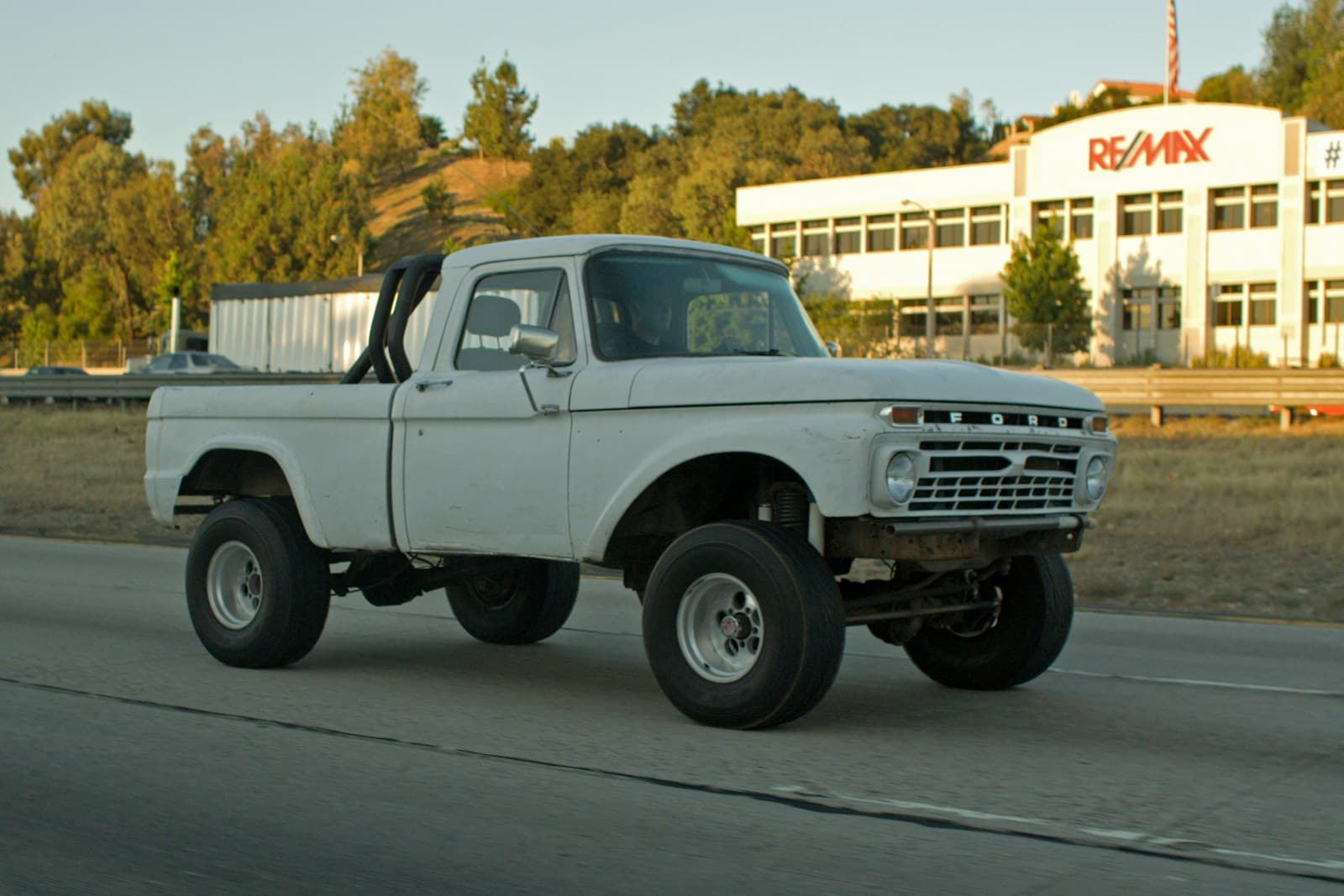
The split-policy approach makes financial sense when three conditions align: you own an older vehicle valued under $5,000 that doesn't justify collision/comprehensive coverage, your primary policy includes full coverage on newer vehicles, and your current insurer's teen add-on quote increases your existing premium by more than $150/mo.
Here's the breakeven math: if adding your teen to your current policy raises your annual premium from $1,800 to $3,600 (a $150/mo increase), and a separate minimum coverage policy for the teen costs $200/mo ($2,400/yr), the split approach costs $50/mo more. But if your insurer quotes a $250/mo increase to add the teen to your existing policy, the standalone option saves you $50/mo even though the teen's separate policy costs $200/mo — because you're avoiding the higher multiplier applied across all your vehicles.
The strategy works best when the teen drives a designated older vehicle exclusively. Nebraska doesn't require you to exclude the teen from your primary policy if they're listed on a separate one, but some carriers offer an "excluded driver" endorsement that removes them from your main policy entirely, eliminating any residual risk premium. If your teen has regular access to your newer vehicles, most insurers will require them to be listed (and rated) on the policy covering those vehicles regardless of the separate policy, which eliminates the savings.
Cheapest Nebraska Carriers for Teen Minimum Coverage
Farm Bureau Financial Services and State Farm typically quote the lowest minimum liability rates for teen drivers in Nebraska, with Farm Bureau often coming in 10-20% below State Farm in rural counties. Both carriers offer good student and driver's education discounts, and Farm Bureau frequently provides additional rate reductions for 4-H or FFA membership — a meaningful advantage in agricultural communities.
Progressive and GEICO compete aggressively in Omaha and Lincoln metro areas, particularly for families willing to accept higher deductibles or usage-based monitoring programs. Progressive's Snapshot program can reduce teen premiums by 10-15% if the teen demonstrates safe driving habits over a six-month monitoring period, though risky behaviors (hard braking, late-night driving) can increase rates instead. GEICO's DriveEasy program works similarly but tends to offer smaller discounts in exchange for less intrusive monitoring.
Nationwide and Auto-Owners serve as solid mid-tier options, rarely the absolute cheapest but often within 5-10% of the lowest quote. Both maintain strong claims service networks across Nebraska and offer multi-policy discounts if you're already insuring a home or other vehicle with them. For cost-conscious families, the priority should be comparing at least four quotes specifically for a teen driver on minimum coverage — carrier pricing variance for high-risk drivers often exceeds 40% between the most and least expensive options for identical coverage limits.
What Minimum Liability Doesn't Cover
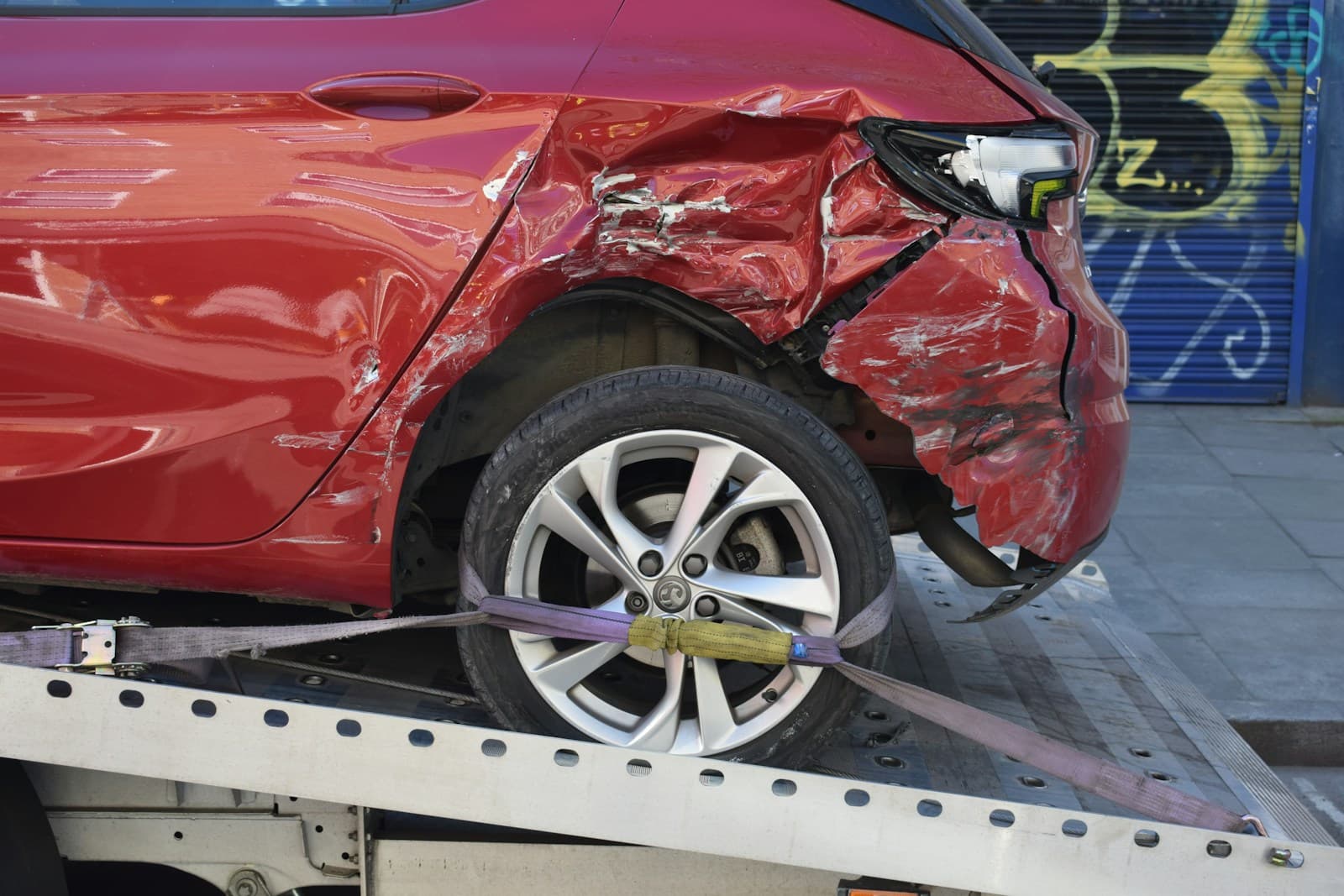
Nebraska's 25/50/25 minimum protects other people's property and medical bills if your teen causes an accident, but it provides zero coverage for damage to the vehicle your teen drives or their own injuries. If your teen totals the $4,000 sedan you assigned to them, you'll pay for replacement out of pocket. If they're injured in an at-fault crash, their medical bills come from your health insurance or your own funds — liability coverage doesn't apply to the policyholder's vehicle or occupants.
The $25,000 property damage limit can be exceeded quickly in multi-vehicle accidents or if your teen hits a newer pickup or SUV. Repair costs for a 2022 F-150 or Silverado can easily reach $15,000-25,000 for moderate front-end damage, and if your teen's liability limit is exhausted, you're personally liable for the difference. Nebraska allows injured parties to pursue personal assets beyond policy limits, meaning your savings, home equity, or wages could be garnished if a claim exceeds your coverage.
For families with meaningful assets to protect, increasing liability limits to 50/100/50 or 100/300/100 costs an additional $15-35/mo in most cases and substantially reduces financial exposure. For families with minimal assets, older vehicles, and tight budgets, accepting the gap risk in exchange for the lowest possible premium is a rational decision — but it must be an informed one. The financial exposure is real, and understanding what you're trading for affordability matters more than the coverage choice itself.
How Long Teen Rates Stay Elevated
Teen driver premiums drop significantly at age 18, moderately at 19-20, and reach near-adult rates by age 25 assuming a clean driving record. The steepest single-year decrease typically occurs between 17 and 18, when rates fall 15-25% on average. Male drivers see larger drops than female drivers because the initial teen male surcharge is substantially higher.
Each year of claim-free driving accelerates the decline. A teen who maintains a clean record from 16-19 will see much faster rate decreases than a teen who files a claim or receives a ticket at 17. In Nebraska, at-fault accidents typically carry a 3-year surcharge period, meaning a crash at age 17 can keep rates elevated until age 20. Moving violations like speeding tickets generally add 15-30% surcharges for 3 years, though the impact diminishes if the driver ages into a lower-risk category during that period.
For budget-focused families, the strategy is to keep the teen on minimum coverage with the highest affordable deductible (if carrying any physical damage coverage) until age 21-23, then reassess based on their driving record and vehicle value. If the teen has maintained a clean record and is driving a vehicle worth under $4,000, liability-only coverage remains the most cost-effective choice regardless of age. If they've acquired a newer vehicle or significant assets, gradually increasing liability limits becomes mathematically justified.