Teen drivers in Utah face premiums 2-3x higher than adult rates, but choosing the right carrier and coverage structure can cut costs 40-60% compared to default parent policy add-ons.
Why Utah Teen Rates Spike and Which Carriers Price Lowest
Teen drivers in Utah typically pay $180-$320/mo for minimum liability coverage when added to a parent's policy, but standalone policies for the same coverage drop to $120-$210/mo with budget carriers. The cost difference stems from how insurers calculate risk: family policy pricing assumes shared vehicle access and higher liability exposure, while standalone policies price only the vehicle the teen actually drives.
Utah's state-minimum liability requirement — 25/65/15 — costs significantly less than the national average because bodily injury limits are lower than most western states. GEICO and State Farm consistently quote 15-25% below Progressive and Allstate for teen drivers in Salt Lake and Utah counties, while regional carriers like USAA (military families only) and Dairyland specialize in high-risk and young driver segments with rates 20-35% below national brands.
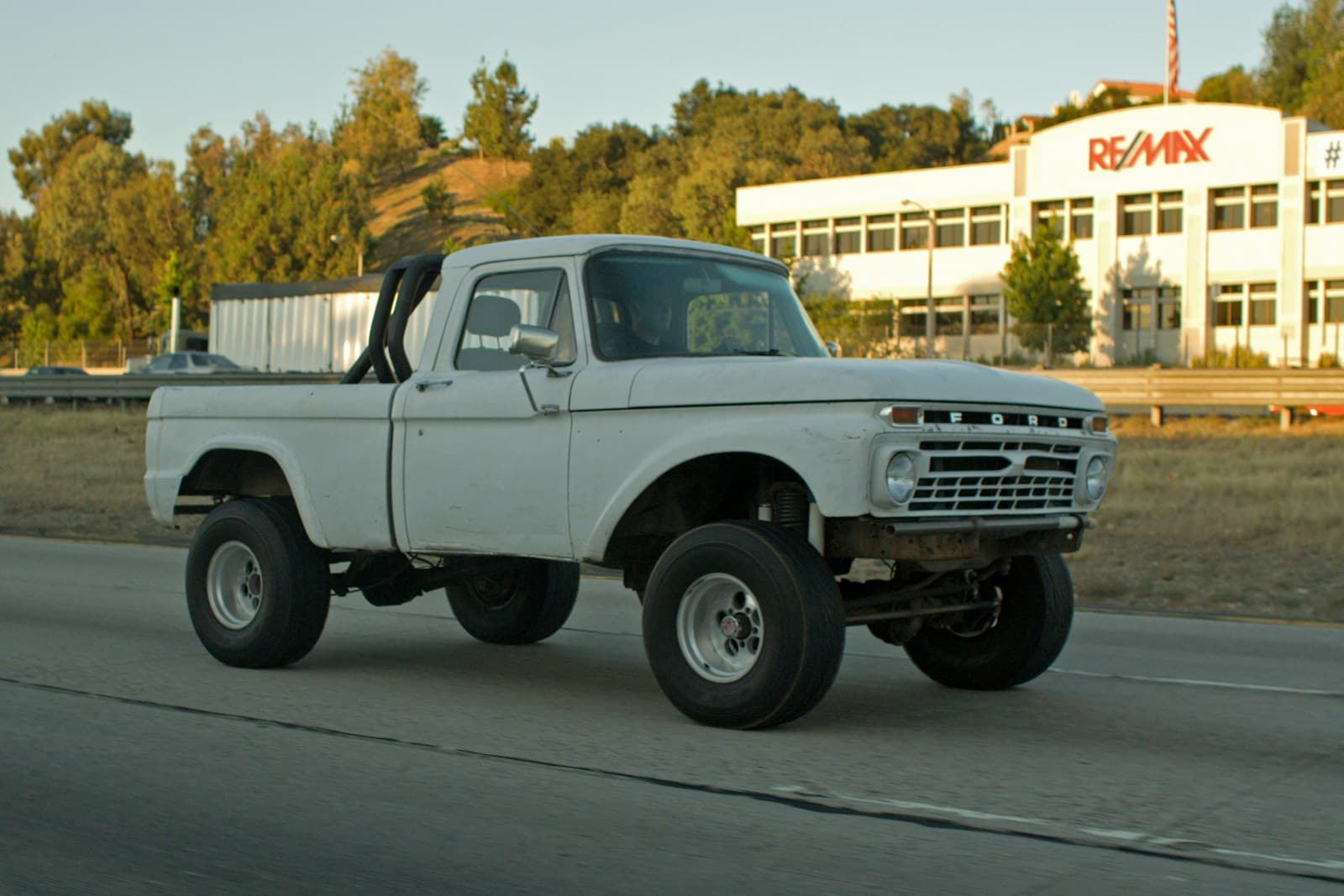
The single largest cost variable is whether the teen drives a vehicle listed on the parent's policy or a separate older car titled in the teen's name. Adding a teen to a policy covering a 2020 sedan costs $240-$350/mo, while insuring the same teen on a standalone policy covering a 1998 pickup costs $120-$180/mo for identical liability limits. Most comparison tools default to family policy quotes and never surface the standalone option.
Standalone vs. Family Policy: The Break-Even Calculation
Parents face a structural choice: add the teen to the existing family policy or establish a separate policy in the teen's name. The break-even point depends on three factors — the value of the vehicle the teen drives, whether that vehicle requires collision/comprehensive coverage due to a loan, and the parent's current policy premium.
If the teen drives a vehicle worth under $4,000 with no lien, a standalone policy with state-minimum liability only costs $1,440-$2,520 annually. Adding the same teen to a family policy raises the family premium by $2,160-$4,200 annually, even if the family policy already covers multiple vehicles. The cost gap exists because family policies calculate teen risk across all household vehicles, while standalone policies price only the single vehicle listed.
Standalone policies create administrative separation: the teen's violations, claims, and lapses do not directly affect the parent's policy renewal rates. However, most insurers still require disclosure of household drivers, and some will not issue a standalone teen policy if the parent has a policy with the same carrier. This forces families to split coverage across two insurers — the parent keeps their existing policy, and the teen gets minimum coverage from a budget carrier like Dairyland or The General.
Find the minimum coverage that meets your state's requirements
Compare liability-only rates from carriers in your state — and see what discounts you qualify for.
Get Your Free Quote✓ Minimum Coverage Options✓ No Obligation✓ Licensed Carriers✓ All 50 States
Coverage Tier Cost Comparison for Utah Teen Drivers
Utah's minimum liability (25/65/15) covers $25,000 per person injured, $65,000 per accident, and $15,000 property damage. This is the legal floor and costs $120-$210/mo for teen drivers on standalone policies. Increasing to 50/100/25 — a common lender requirement — raises premiums to $160-$280/mo, a 30-35% jump for limits that double bodily injury coverage.
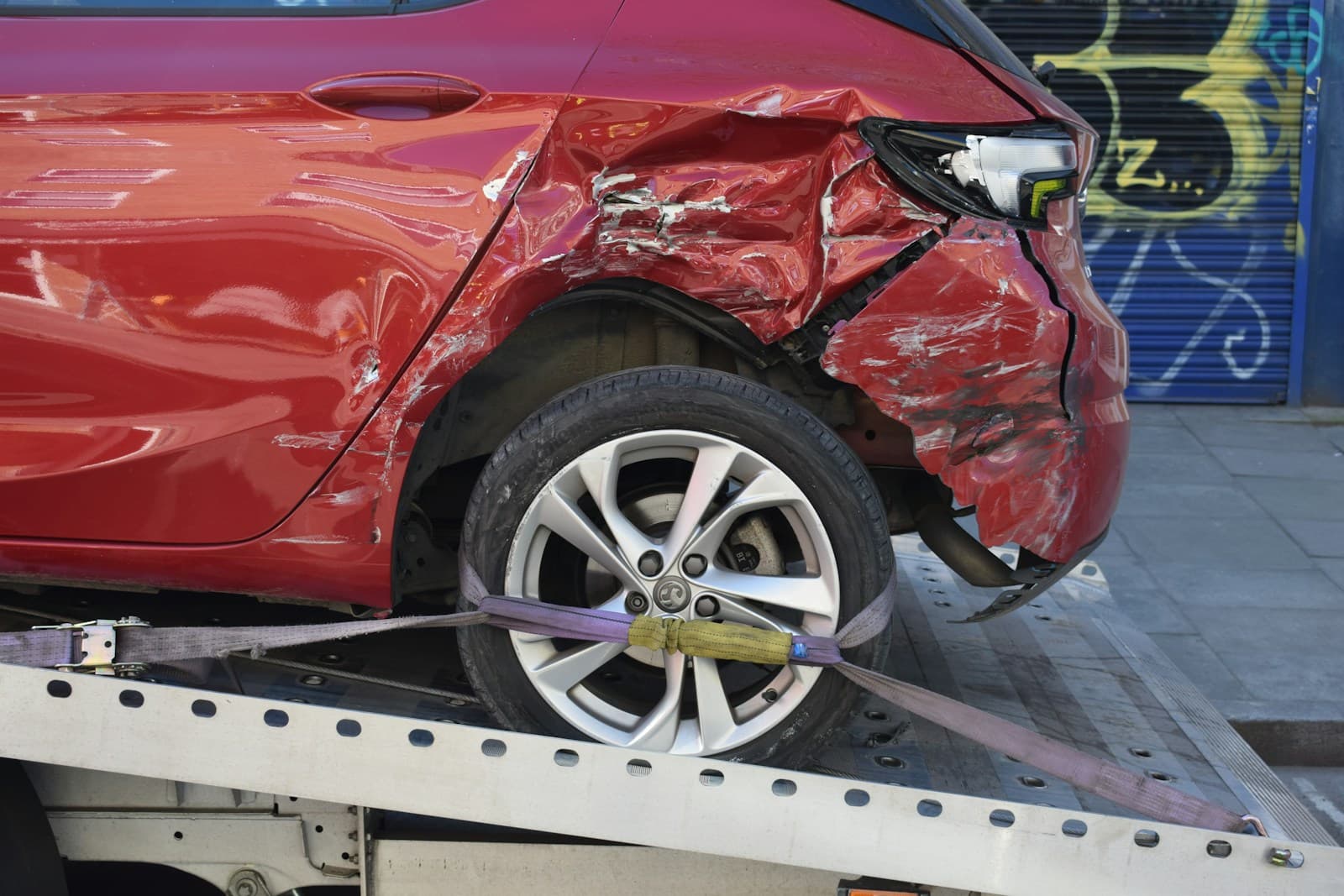
Adding collision and comprehensive coverage to protect the teen's vehicle costs an additional $80-$180/mo depending on vehicle value and deductible. For a car worth $3,000, paying $960-$2,160 annually for collision coverage with a $500-$1,000 deductible means the policy pays out only if total loss or repair costs exceed the deductible — and the maximum payout is $3,000 minus the deductible. Most drivers with vehicles worth under $4,000 mathematically overpay for these coverages.
Uninsured motorist coverage, optional in Utah, adds $15-$35/mo and protects the teen if hit by a driver with no insurance. Utah's uninsured rate sits near 7%, lower than neighboring states, but this coverage becomes critical if the teen drives in areas with higher uninsured populations or frequently crosses into Nevada or Idaho.
Which Vehicle Choice Cuts Premiums Most
Insurers price teen policies based on vehicle age, safety features, theft risk, and repair costs. A 15-year-old sedan with standard safety features costs 40-60% less to insure than a 5-year-old SUV, even if both require only liability coverage. Vehicles with high theft rates — Honda Civics, pickup trucks, older Accords — carry 10-20% surcharges in urban Utah counties.
The cheapest vehicle categories for teen insurance in Utah are older sedans (2005-2010 models), minivans, and compact cars with low horsepower. Vehicles with factory anti-theft systems, airbags, and stability control qualify for 5-15% discounts with most carriers. Avoid sports cars, turbocharged engines, and vehicles with modified exhaust or suspension — insurers either decline coverage or apply 30-50% surcharges.
If the teen's vehicle has a loan or lease, the lender will require collision and comprehensive coverage, which eliminates the cost advantage of a standalone liability-only policy. In this scenario, keeping the teen on the parent's family policy often costs less because multi-vehicle and bundling discounts offset the higher per-driver premium. The standalone structure works only when the teen drives an owned, older vehicle with no lien.
Good Student and Driver Training Discounts
Most Utah insurers offer a good student discount of 10-25% off teen premiums for maintaining a 3.0 GPA or higher. GEICO, State Farm, and Progressive require verification each policy term via report card or transcript upload. The discount applies only to the teen's portion of the premium, not the entire family policy, so on a $200/mo teen standalone policy, the discount saves $20-$50/mo.
Completing a state-approved driver education course cuts premiums an additional 5-15% with most carriers for 3-6 years after course completion. Utah does not mandate driver's ed for licensing, but insurers treat it as a risk reducer. Online courses approved by the Utah Safety Council qualify, but some carriers require in-person instruction with behind-the-wheel training to apply the discount.
Stacking both discounts — good student plus driver training — can reduce a $180/mo standalone policy to $130-$150/mo. However, if the teen's GPA drops below 3.0 or they turn 21 (when good student eligibility typically expires), the premium jumps back to the base rate at the next renewal. Parents should confirm whether the discount applies automatically or requires annual re-verification.
When Adding a Teen to a Parent Policy Costs Less
Family policy add-on pricing beats standalone policies in two scenarios: when the parent already has multiple vehicles and bundled home/auto discounts, and when the teen drives a newer vehicle requiring full coverage. Multi-car discounts of 10-25% and bundling discounts of 15-30% can offset the higher teen driver surcharge, especially if the parent's base premium is already low due to clean driving history and high credit score.
If the family policy includes liability coverage at 100/300/100 or higher, adding the teen maintains those higher limits across all drivers and vehicles, which provides better financial protection than a standalone minimum-liability policy. This matters if the teen causes a serious accident — 25/65/15 coverage pays only $25,000 per injured person, and medical bills from a multi-vehicle crash can exceed that in hours.
The trade-off is claims and violations. A teen's at-fault accident or speeding ticket on a family policy raises the entire household premium at renewal, often by 20-40% across all drivers. On a standalone policy, only the teen's premium increases. Parents with clean records who want to protect their own rates should calculate whether 3-6 years of potential teen incidents justify the upfront cost savings of a family policy add-on.