Wisconsin teen driver insurance costs $180–$350/mo depending on whether the teen is added to a parent policy or buys standalone coverage — a structural difference most families evaluate backward.
Why Wisconsin Teen Rates Depend on Policy Structure, Not Just the Carrier
Your child just got their license, and you're looking at insurance quotes that feel impossible to afford. Most Wisconsin families start by requesting standalone teen policies and see rates between $280 and $450 per month. That approach misses the structural discount available when adding a teen to an existing parent policy, which typically reduces the incremental cost to $180–$250 per month depending on the parent's current carrier and driving record.
The confusion stems from how carriers calculate multi-driver premiums. Adding a teen driver to your policy doesn't simply double your premium — it increases it by a percentage that varies wildly by carrier. American Family and State Farm typically charge 70–90% more when a teen is added, while Progressive and Geico often add 110–140%. That means the cheapest carrier for you as a solo driver may become the most expensive option once your teen joins the policy.
This creates a reverse comparison problem: you need to compare what each carrier would charge for a two-driver policy (you plus teen), not what they charge for standalone teen coverage. A carrier quoting you $95/mo now but adding $240/mo for your teen ($335/mo total) is more expensive than a carrier quoting $130/mo now but adding only $180/mo for your teen ($310/mo total), even though the second carrier's base rate is higher.
What Wisconsin Teen Drivers Actually Pay by Policy Type
Standalone policies for 16-year-old Wisconsin drivers with minimum liability coverage ($25,000 bodily injury per person, $50,000 per accident, $10,000 property damage) typically cost $280–$450 per month depending on location and vehicle type. Adding that same teen to a parent's existing policy with identical coverage usually costs an additional $180–$250 per month, representing a 40–60% savings compared to standalone coverage.
The incremental cost varies by the parent's current premium level and claims history. If the parent currently pays $85/mo for minimum liability on a clean record, adding a teen typically increases the total policy cost to $265–$335/mo. If the parent pays $140/mo due to a previous accident or higher coverage limits, adding the teen often pushes the total to $320–$390/mo. The percentage increase is similar, but the absolute dollar difference grows with the parent's base premium.
Gender no longer affects rates in Wisconsin — the state prohibited gender-based pricing in 1980s for auto insurance. That eliminates one variable most families expect to see, but it also means 16-year-old male and female drivers pay identical rates when all other factors (vehicle, location, coverage) are equal. The primary rate differentiators are the teen's age (16-year-olds cost more than 18-year-olds), whether they've completed driver's education (typically a 10–15% discount), and the vehicle they'll primarily drive.
Find the minimum coverage that meets your state's requirements
Compare liability-only rates from carriers in your state — and see what discounts you qualify for.
Get Your Free Quote✓ Minimum Coverage Options✓ No Obligation✓ Licensed Carriers✓ All 50 States
Which Wisconsin Carriers Offer the Lowest Multi-Driver Rates
State Farm and American Family consistently rank among the lowest-cost options for Wisconsin families adding a teen driver, but only when the parent already maintains a clean driving record and has been with the carrier for at least three years. Both insurers offer loyalty discounts that reduce the teen surcharge by 8–12%, and both apply student discounts (typically 15–20% for a B average or higher) automatically when proof of grades is submitted.
Progressive and Geico often quote lower standalone rates for teen drivers but apply higher percentage increases when adding teens to existing parent policies. Progressive's Snapshot telematics program can reduce teen rates by 10–30% based on monitored driving behavior, but the discount appears after the first policy period — meaning families pay full rates for the first six months before seeing any reduction. Geico's mobile app offers a similar program but caps teen-specific discounts at 15%.
Auto-Owners and West Bend, both regional carriers with significant Wisconsin market share, fall in the middle tier for teen pricing. Auto-Owners typically charges $200–$270/mo incremental cost when adding a teen to a parent policy, while West Bend ranges from $210–$285/mo. Both offer multi-vehicle discounts that stack with teen driver education discounts, which can lower the combined cost by an additional 5–10% if the family insures two or more vehicles.
Driver's Education and Good Student Discounts That Actually Lower Costs
Wisconsin does not require driver's education for teens to obtain a license, but completing an approved course reduces insurance premiums by 10–15% at most major carriers. The discount applies immediately upon proof of completion and remains active until the teen turns 21 or until they've been licensed for three years, whichever comes first. Approved courses must include at least 30 hours of classroom instruction and six hours of behind-the-wheel training to qualify for the insurance discount.
Good student discounts require a B average (3.0 GPA) or placement on the honor roll, verified by report card or transcript submission. Most Wisconsin carriers apply a 15–20% discount for qualifying students, and some (including State Farm and American Family) allow the discount to continue through college as long as the student remains on the parent's policy and maintains eligible grades. The discount stacks with driver's education savings, creating a combined reduction of 25–35% for teens who qualify for both.
Telematics programs offer variable discounts based on monitored driving behavior — hard braking, rapid acceleration, nighttime driving, and total miles driven. Progressive's Snapshot and State Farm's Drive Safe & Save programs can reduce teen premiums by 10–30%, but the discount is not guaranteed and requires consistent low-risk driving over the measurement period. Families should expect full rates for the first policy term while the monitoring establishes a baseline.
When Listing the Teen as an Occasional Driver Backfires
Some Wisconsin families attempt to lower premiums by listing the teen as an occasional driver on a vehicle the parent primarily operates, rather than assigning the teen as the primary driver of a specific car. This works only if the teen genuinely drives less than 25% of the time and the parent can document primary use of the vehicle. Misrepresenting driver assignment constitutes material misrepresentation and allows the carrier to deny claims or rescind the policy entirely.
Carriers determine primary driver status through a combination of household driver count, vehicle count, and stated use patterns. In a household with two parents, one teen, and two vehicles, the teen will almost always be assigned as a primary or co-primary driver on one vehicle because the math doesn't support occasional driver classification. In a household with two parents, two teens, and three vehicles, occasional driver status becomes more defensible if the teens genuinely share one vehicle.
The premium difference between occasional and primary driver designation is typically 15–25%, but the risk of claim denial outweighs the savings if the classification is inaccurate. If your teen drives to school daily, uses the car for work, or has consistent access to a specific vehicle, they must be listed as a primary driver. The occasional driver classification is designed for teens who drive only during supervised practice sessions or infrequent errands, not for regular transportation needs.
How Vehicle Choice Changes Wisconsin Teen Insurance Costs
The vehicle a teen drives affects premium costs more than most families expect. Assigning a teen to a 2008 Honda Civic with minimal comprehensive and collision coverage typically costs $180–$220/mo in added premium. Assigning the same teen to a 2018 Chevrolet Silverado with full coverage often costs $310–$380/mo in added premium, even if both vehicles are owned outright and insured on the same parent policy.
Vehicle age, safety features, theft rates, and repair costs all factor into the calculation. Older vehicles with lower market values allow families to drop collision and comprehensive coverage entirely, reducing the incremental teen cost to liability-only premiums. For a vehicle worth less than $3,000, paying $800–$1,200 annually for comprehensive and collision coverage rarely makes financial sense when the maximum payout after deductible might only reach $2,000–$2,500.
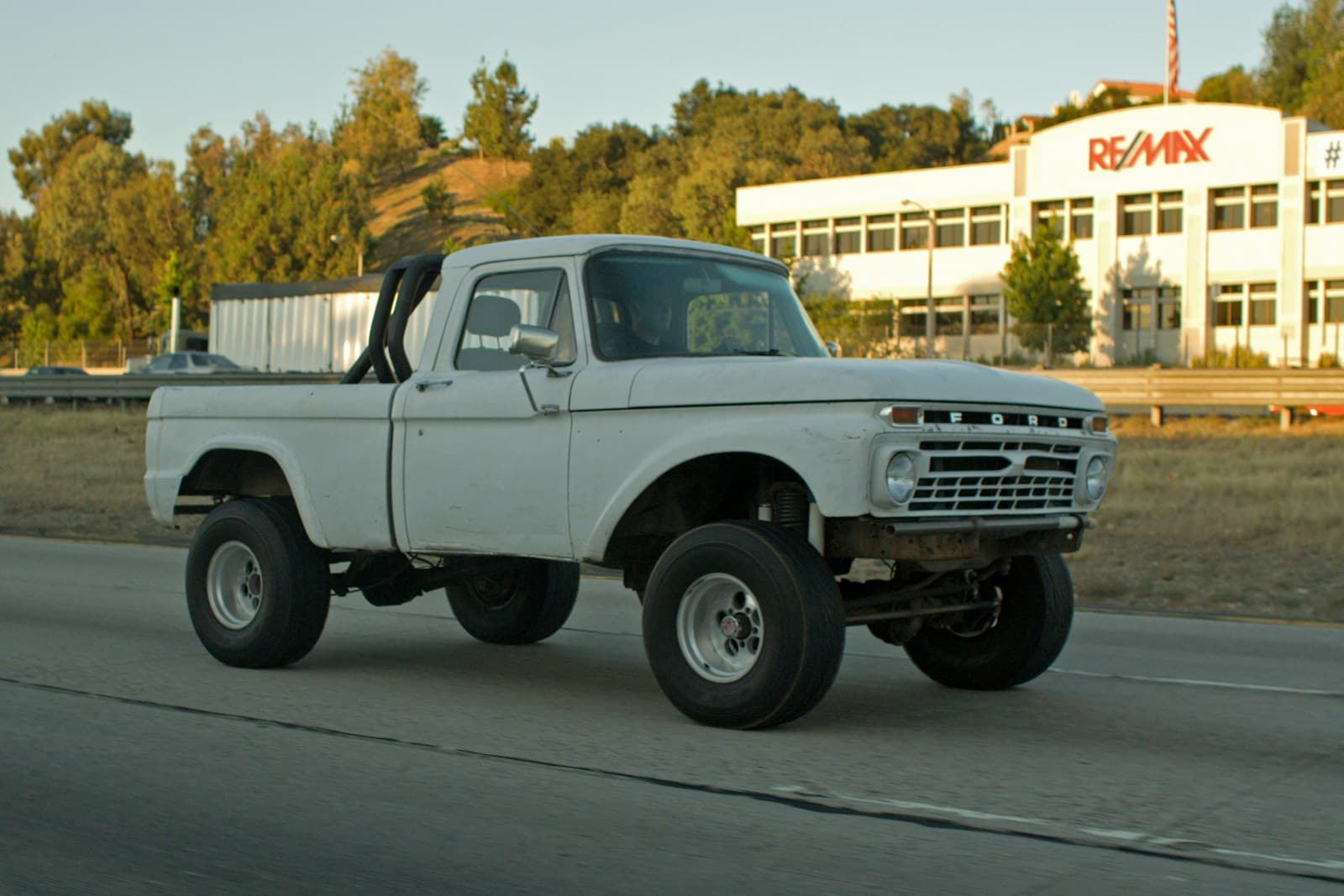
High-performance vehicles, trucks, and SUVs consistently generate higher teen premiums due to increased claim frequency and severity data. A 2015 Ford Mustang costs 40–60% more to insure for a teen driver than a 2015 Ford Focus with identical coverage, even though both are five-door models from the same manufacturer. Families looking to minimize teen insurance costs should assign the teen to the oldest, lowest-value vehicle in the household and carry only the state-required liability minimums on that vehicle.