Wyoming teen insurance costs $180–$310/mo depending on carrier — but most parents compare wrong by quoting their current insurer first instead of shopping the three carriers that specialize in discounting teen risk.
Why Your Current Carrier Is Probably Not the Cheapest for Your Teen
You just added your 16-year-old to your Wyoming auto policy and watched your premium jump $200/mo or more. The natural next step is calling your current insurer to ask about discounts — but that approach costs most parents $60–$130/mo compared to shopping carriers that price teen risk differently.
Wyoming teen driver premiums range from approximately $180/mo to $310/mo for state minimum liability coverage on a shared family vehicle. The spread exists because carriers use different risk models: some penalize all teen drivers equally, while others discount heavily for driver's education completion, good grades, or low annual mileage. If your current carrier doesn't weight those factors, you're overpaying even with a "good student" discount applied.
The three carriers consistently offering the lowest Wyoming teen rates are regional insurers and direct writers that specialize in high-risk or non-standard policies. These carriers often appear $50–$80/mo cheaper than national brands for the same liability coverage limits — but only if the teen meets specific eligibility criteria like completing an approved driver's ed course or maintaining a B average.
Actual Monthly Costs by Coverage Level for Wyoming Teens
Wyoming's minimum liability requirement is 25/50/20 — $25,000 per person for bodily injury, $50,000 per incident, and $20,000 for property damage. For a 16-year-old male driver in Cheyenne sharing a 2015 sedan, state minimum coverage typically costs $180–$240/mo depending on carrier. Adding the teen to a parent's existing full-coverage policy on the same vehicle raises the household premium by $220–$310/mo.
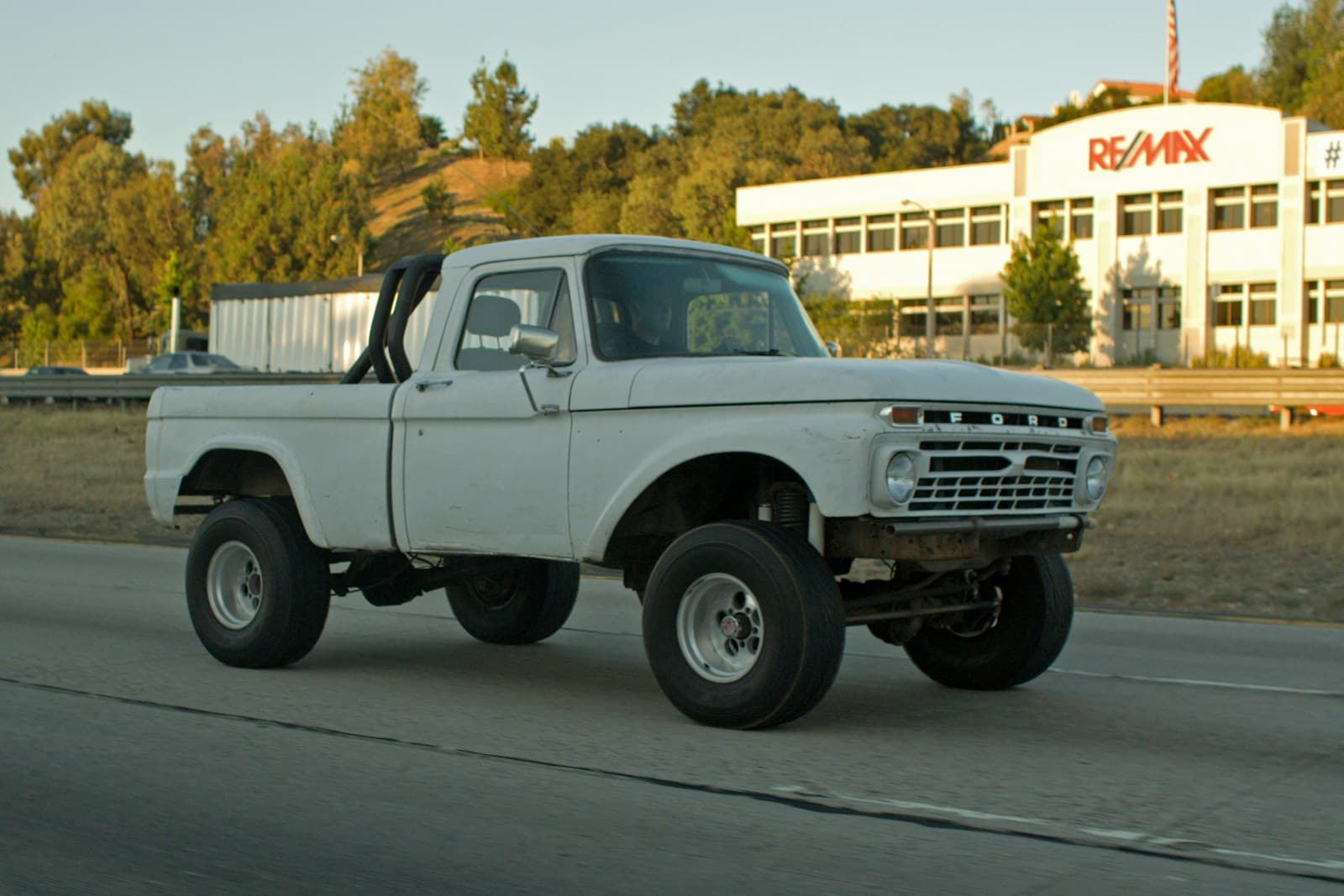
If the teen will drive their own older vehicle — common for budget-conscious families — the calculation changes. A standalone liability-only policy on a 2008 pickup the teen owns outright runs $210–$270/mo. Full coverage on that same older truck (comprehensive and collision with a $1,000 deductible) costs $290–$380/mo, but makes no financial sense if the vehicle's value is under $4,000: you'd pay more in annual premiums plus the deductible than the truck is worth.
The break-even point for adding collision and comprehensive is when the vehicle's current value exceeds roughly three times your annual premium. For a $3,500 truck at $270/mo liability-only versus $340/mo full coverage, you're paying an extra $840/year to insure a vehicle you'd net maybe $2,500 for after a total loss — minus your $1,000 deductible. Most Wyoming families with teens driving older vehicles save by sticking to liability coverage and self-insuring the vehicle's replacement cost.
Find the minimum coverage that meets your state's requirements
Compare liability-only rates from carriers in your state — and see what discounts you qualify for.
Get Your Free Quote✓ Minimum Coverage Options✓ No Obligation✓ Licensed Carriers✓ All 50 States
Which Discounts Actually Lower Teen Premiums in Wyoming
Driver's education completion is the single largest discount lever for Wyoming teen drivers, typically reducing premiums 15–25% depending on carrier. Wyoming doesn't mandate driver's ed for licensing, but every major insurer operating in the state offers a discount for completing an approved course. That translates to $30–$60/mo in savings — enough to cover the course fee within 3–5 months.
Good student discounts (usually requiring a 3.0 GPA or better) cut premiums another 8–15%, or roughly $15–$35/mo. Bundling the teen onto a parent's existing multi-car or homeowner's policy saves an additional 5–12%, though this only helps if your current carrier is already competitive for teen drivers. If the base rate is $310/mo and a competitor starts at $200/mo, a 10% bundle discount still leaves you paying $279/mo versus $200/mo.
Low mileage affidavits — where the teen drives under 7,500 miles annually — can reduce premiums 5–10% with select carriers. This works best for rural Wyoming families where the teen only drives to school and back, or for families that limit the teen to weekend use of a shared vehicle. The savings are modest ($10–$25/mo), but every reduction matters when baseline teen premiums run $180–$310/mo.
Shared Vehicle vs. Separate Vehicle: The Cost Trade-Off
Adding a teen as an occasional driver on a parent's existing vehicle is almost always cheaper than insuring a separate car in the teen's name — but the gap narrows significantly if the parent carries full coverage and the teen would only need liability on their own vehicle.
Scenario one: Teen listed as occasional driver on parent's 2018 SUV with full coverage. The household premium increases by approximately $220–$280/mo depending on carrier and the teen's driver's ed status. Scenario two: Teen owns a 2010 sedan and carries their own liability-only policy. The standalone premium runs $210–$270/mo. The difference is only $10–$40/mo, and the standalone policy gives the teen an independent insurance history — which can lower their rates faster once they turn 19–21 and are no longer rated as high-risk.
The calculation flips if the family doesn't currently carry auto insurance or if adding the teen would push the parent into high-risk territory due to prior violations. In those cases, a separate liability-only policy for the teen may actually cost less than adding them to a non-standard or SR-22 policy. If you're already paying elevated premiums due to a DUI or suspended license history, compare both structures before assuming the shared-vehicle approach is cheaper. affordable insurance with a suspended license
When to Re-Shop and What Changes Lower Rates Fastest
Teen auto insurance premiums drop significantly at three trigger points: when the teen turns 18, when they turn 19 and are no longer rated as a new driver, and when they turn 25 and exit the high-risk bracket entirely. Re-shopping at each of these milestones typically uncovers $40–$90/mo in savings as carriers adjust risk profiles.
Between those milestones, the fastest rate reductions come from the teen maintaining a clean driving record for 12 consecutive months and completing driver's ed if they haven't already. A single at-fault accident or moving violation can raise a teen's premium 30–60% — an additional $60–$140/mo on top of already-high baseline rates. Wyoming uses a point system that assigns 3 points for most moving violations and 8 points for reckless driving; accumulating points keeps premiums elevated until they expire after three years.
If your teen will be attending college out of state and won't have regular access to a vehicle, most carriers offer a "student away at school" discount of 10–35% as long as the school is more than 100 miles from home and the teen doesn't bring a car to campus. This can drop a $240/mo premium to $155–$215/mo for the duration of the school year, though you'll need to provide proof of enrollment and confirm the vehicle remains garaged at your Wyoming address.