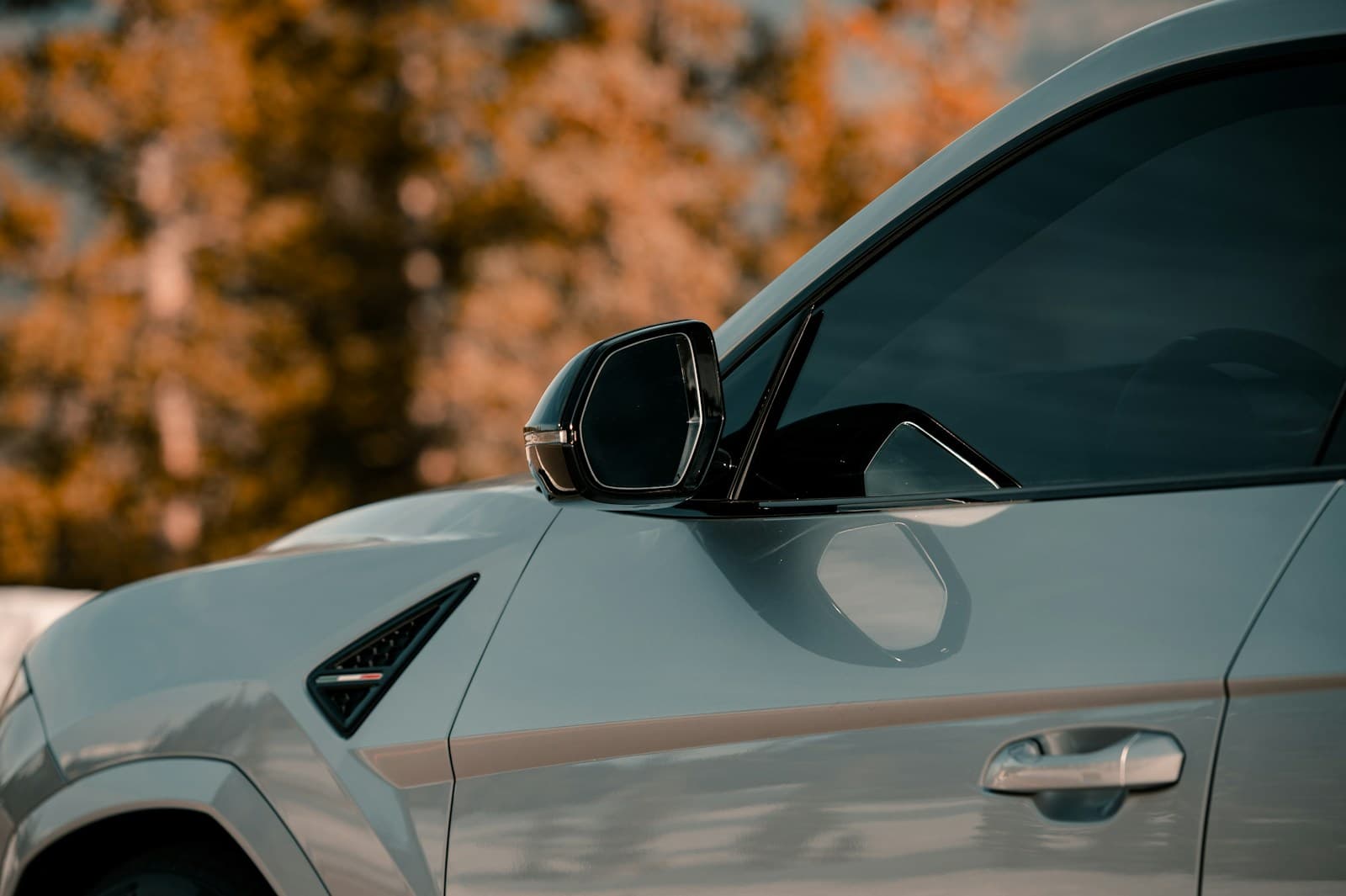
Car color has zero effect on your premium — insurers don't even ask. But other visual factors you can control actually do change what you pay.
Why Insurers Don't Ask About Your Car's Color
Car color does not appear on your insurance application because it has no actuarial value. Insurers price policies based on quantifiable risk factors that predict claim frequency and severity — your driving record, age, location, vehicle make and model, and coverage selection. Paint color doesn't correlate with accident rates, repair costs, or theft risk in any statistically meaningful way.
The confusion comes from the fact that insurers do ask about your vehicle identification number (VIN), which tells them the exact trim level, engine size, safety features, and factory options — but not the color. A 2022 study by the Insurance Information Institute confirmed that no major U.S. auto insurer uses color as a rating variable. If you're comparing quotes on two identical cars with different paint jobs, the premiums will be identical down to the dollar.
This matters for budget-conscious drivers because it means you should never avoid a color you want based on insurance cost alone. If you find a solid used Honda Civic in bright red for $2,000 less than the same model in silver, the insurance company won't charge you more for the red one — but they will charge you based on whether it's an EX or LX trim, which actually affects repair costs and theft appeal.
The Real Rating Factors People Mistake for Color
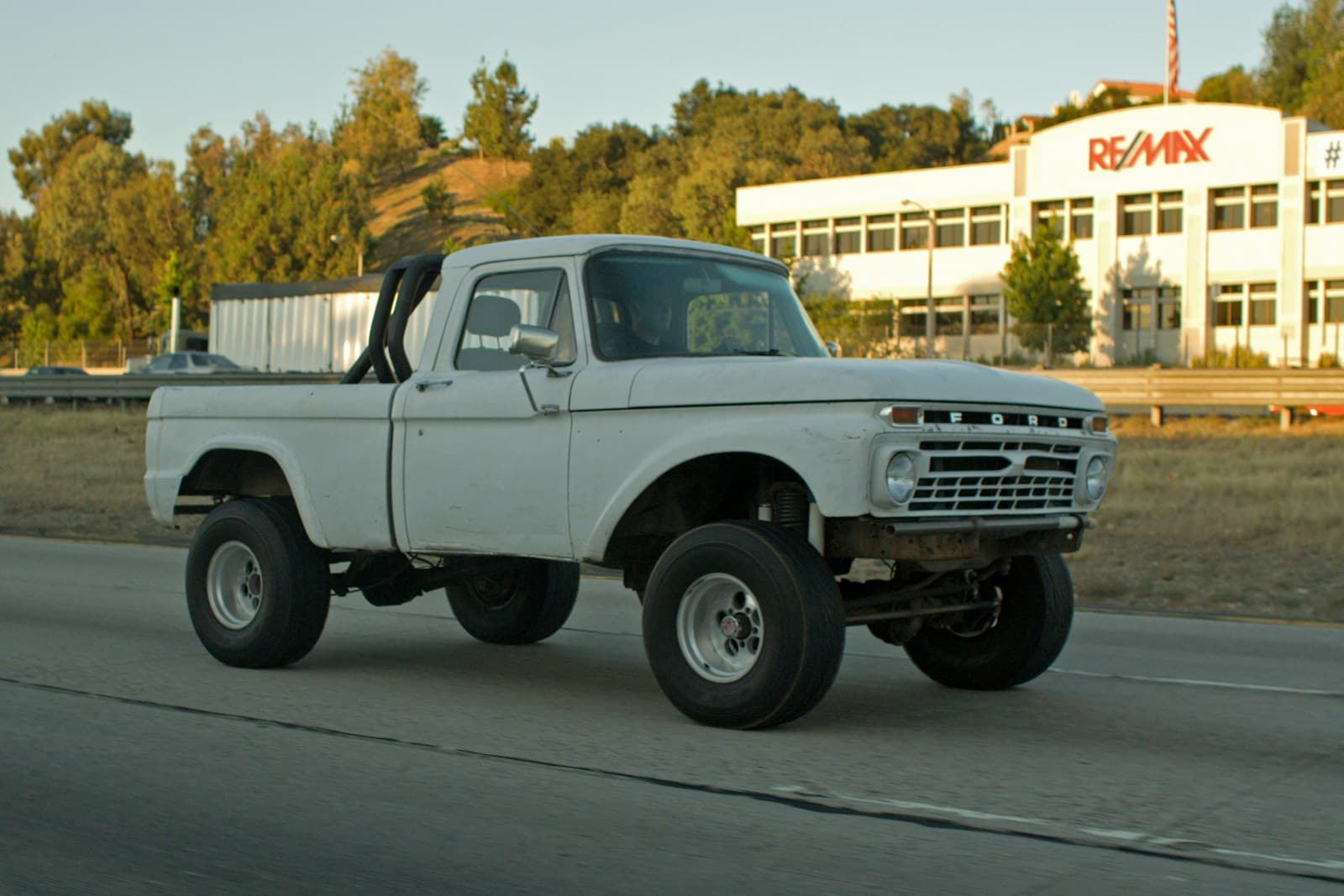
The myth persists because color often correlates with vehicle characteristics that do affect rates. Sports cars and performance trims are frequently sold in bold colors like red, yellow, or orange. Economy sedans and family SUVs tend to come in neutral tones. When someone with a red Mustang GT pays more than their neighbor with a beige Camry, they blame the color — but the real driver is the vehicle type, horsepower, and repair cost.
Theft risk follows a similar pattern. According to the National Insurance Crime Bureau's 2023 Hot Wheels report, the most stolen vehicles in the U.S. are typically pickup trucks and older Honda and Nissan models — and these are most commonly stolen in popular colors like white, black, and silver simply because those colors make up the majority of vehicles on the road. A white 2018 Honda Accord is stolen more often than a purple one, but that's a volume issue, not a color preference by thieves. Insurers price comprehensive coverage based on the make and model's overall theft rate, not the paint.
For drivers on a budget choosing minimum coverage, this distinction matters because you can skip comprehensive and collision entirely on an older vehicle — regardless of color. If your car is worth under $3,000 and you're only carrying liability to meet state requirements, the theft risk and color are completely irrelevant to your premium. You're paying based on how likely you are to cause damage to someone else, which has nothing to do with what your car looks like.
Find the minimum coverage that meets your state's requirements
Compare liability-only rates from carriers in your state — and see what discounts you qualify for.
Get Your Free Quote✓ Minimum Coverage Options✓ No Obligation✓ Licensed Carriers✓ All 50 States
What Vehicle Factors Actually Change Your Premium
If color doesn't matter, what does? The biggest vehicle-related rate factors are make, model, year, trim level, and safety features. A 2015 Toyota Corolla LE with basic safety features will cost less to insure than a 2015 Corolla S with a sport package, even if both are the same color. The S trim has a higher theft rate, more expensive parts, and historically correlates with younger drivers who file more claims.
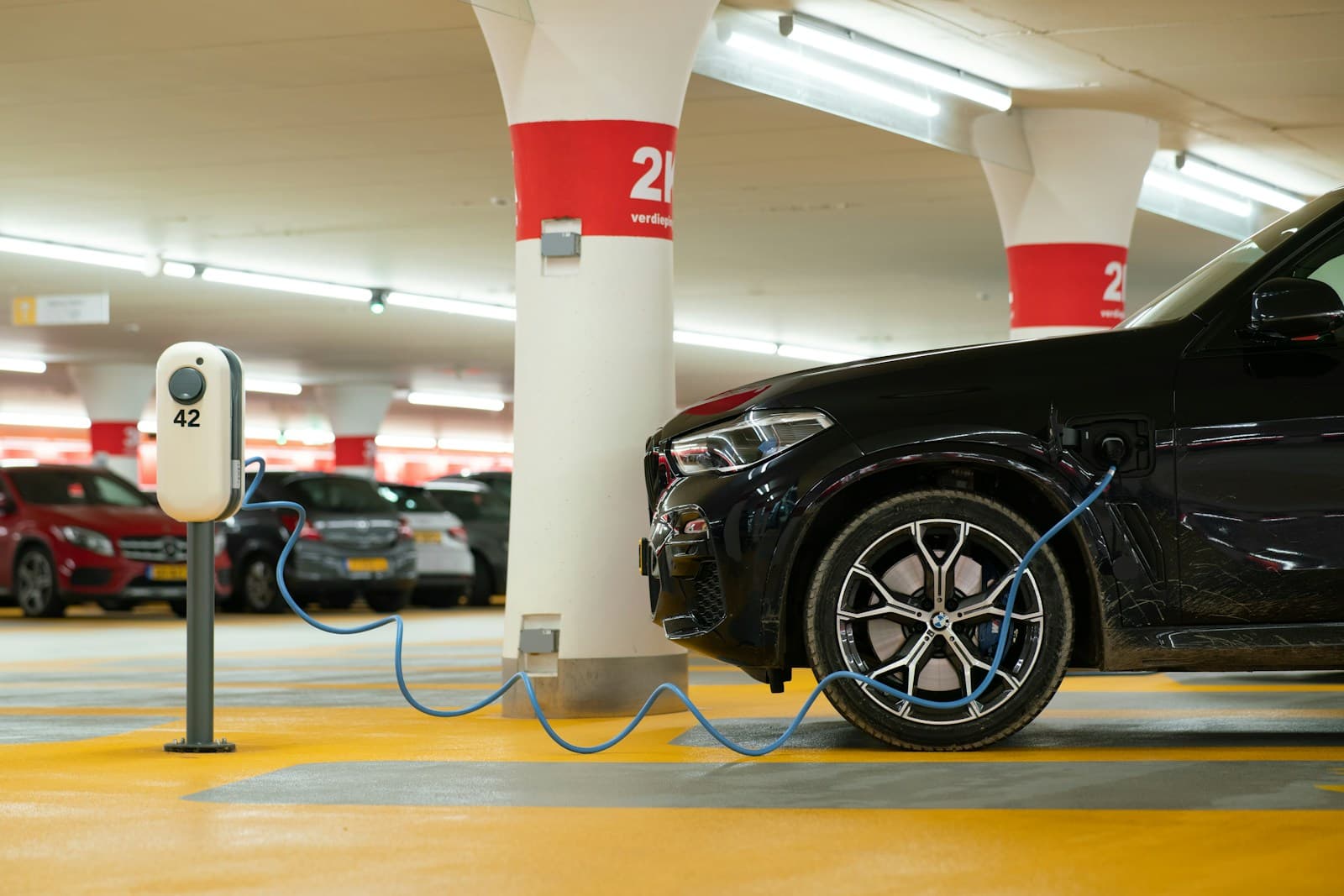
Engine size and horsepower directly affect liability rates because more powerful vehicles are statistically involved in higher-speed collisions. A V6 Accord typically costs 8–15% more to insure than a four-cylinder Accord of the same year, according to industry rate filings reviewed by the NAIC. Anti-theft devices, airbags, and electronic stability control can reduce comprehensive and collision premiums by 5–20%, depending on the carrier and state.
For cost-conscious drivers, the takeaway is simple: if you're shopping for a used car and trying to minimize insurance costs, focus on these factors in order of impact: choose a common sedan or compact SUV over a sports car or luxury model, avoid turbocharged or V6 engines, prioritize models with modern safety features, and check theft rates for your specific make/model/year combination. A beige Civic and a red Civic cost the same to insure — but a Civic costs substantially less than a Charger, regardless of what color either one is painted.
How to Actually Lower Your Rate on Any Car
Once you own a vehicle, color is fixed — but your coverage choices aren't. The fastest way to cut your premium is to adjust your liability limits and drop optional coverages you don't need. Minimum liability coverage in most states runs between $35–$65/mo depending on your driving record and location, while full coverage with comprehensive and collision averages $140–$220/mo. If your car is worth less than $4,000 and you have savings to cover a total loss, dropping full coverage can immediately cut your bill by $80–$150/mo.
Raising your deductible from $500 to $1,000 typically reduces comprehensive and collision premiums by 10–15%, saving roughly $12–$25/mo if you're carrying those coverages. Bundling auto with renters or homeowners insurance often triggers a multi-policy discount of 10–25%, and some insurers offer discounts for paying in full, going paperless, or setting up automatic payments.
Beyond coverage adjustments, your location matters more than most drivers realize. Moving from an urban zip code to a suburban or rural area can reduce premiums by 20–40% on identical coverage and vehicles, because claim frequency and repair costs are lower. If you're splitting time between two addresses, make sure your policy reflects where the car is actually garaged overnight — using a parent's rural address when you live downtown is misrepresentation and can void your coverage.
The Bottom Line on Color and Coverage Decisions
Car color is insurance folklore, not fact. No U.S. insurer asks about paint color, includes it in rate calculations, or adjusts premiums based on whether you drive a black SUV or a yellow one. The myth survives because people conflate color with the actual risk factors that do matter — vehicle type, engine size, trim level, and theft rates — which happen to correlate with certain color trends in the market.
If you're shopping for a used car on a budget, ignore color entirely when estimating insurance costs. Instead, get actual quotes on the specific make, model, year, and VIN before you buy. A $3,000 difference in purchase price between two cars can easily be worth an extra $10/mo in insurance if the cheaper one is a higher-theft model or a sportier trim. And if you already own your car, remember that your coverage choices — not your paint job — are what determine whether you're paying $45/mo for minimum liability or $180/mo for full coverage.
The real question isn't what color to buy. It's whether you need comprehensive and collision at all, or if liability-only coverage makes more financial sense for your situation. That's the decision that actually changes what you pay every month, and it has nothing to do with whether your car is red, blue, or primer gray.