Adding a teen to your existing policy typically costs $150–$250/mo less than buying them a separate policy, but there are three specific situations where a standalone policy saves money instead.
The Default Math: Why Adding Costs Less in Most Cases
Adding a teen driver to your existing policy typically costs $150–$250/mo, while buying them a separate policy runs $300–$450/mo for the same minimum coverage. The gap exists because your existing policy already carries underwriting costs, multi-car discounts, and loyalty pricing that don't transfer to a standalone teen policy. Insurance carriers price teen policies as high-risk new customers with zero claims history and no bundling discounts.
The cost difference shrinks significantly if you're already paying for liability coverage on an older vehicle. A parent with a 15-year-old sedan paying $45/mo for state minimum coverage will see their premium jump to $195–$245/mo when adding a teen. A parent with two newer vehicles and full coverage already paying $180/mo will see the same teen addition cost $330–$430/mo because the percentage increase applies to a higher base premium.
Multi-car and multi-driver discounts stack when you add a teen to your policy, typically reducing the combined household premium by 10–15% compared to what you'd pay for separate policies. If you own two vehicles and add your teen as a third driver, most carriers apply a three-driver household discount that offsets part of the teen surcharge. That discount disappears entirely if the teen buys their own policy.
Three Scenarios Where Separation Saves Money
A standalone policy becomes cheaper when your teen has already accumulated violations or at-fault accidents before you add them. If your 16-year-old received a speeding ticket and a minor at-fault accident as a learner's permit holder, adding them to your clean-record policy can raise your household premium 60–90% because carriers apply both the teen driver surcharge and the violation surcharge to your entire policy. In this case, isolating their high-risk profile to a separate non-standard policy keeps your base rate intact.
The second scenario involves high-value vehicles on your existing policy. If you carry full coverage on a vehicle worth $35,000+ and your teen will drive a $3,000 car they own outright, adding them to your policy forces carriers to price the teen's access to your expensive vehicle even if you designate them as the primary driver of the cheaper car. A standalone policy on just the teen's vehicle with liability-only coverage avoids that cross-vehicle risk pricing.
The third scenario applies when you're already in a non-standard or high-risk insurance market yourself. If you're paying $220/mo for state minimum coverage due to your own DUI or SR-22 requirement, adding a teen to that policy can trigger $400–$500/mo combined premiums because you've lost access to standard-market discounts. In some cases, a teen with a clean learner's permit record qualifies for standard-market pricing on their own, producing a lower standalone rate than the combined non-standard household policy.
Find the minimum coverage that meets your state's requirements
Compare liability-only rates from carriers in your state — and see what discounts you qualify for.
Get Your Free Quote✓ Minimum Coverage Options✓ No Obligation✓ Licensed Carriers✓ All 50 States
The Vehicle Ownership Factor Most Comparisons Miss
Who legally owns the vehicle determines which coverage structure works. If you own the car and title it in your name, most carriers require the teen to be listed on your policy as a household driver regardless of whether they have a separate policy. You cannot legally insure a vehicle you don't own, and your teen cannot insure a vehicle titled in your name on their own policy.
If your teen buys and titles a vehicle in their own name, they can obtain a standalone policy, but financing becomes nearly impossible. Lenders require comprehensive and collision coverage, and a 16-year-old with no credit history paying $320/mo for liability-only coverage cannot afford the $480–$650/mo premium for full coverage on a financed vehicle. This is why most budget-conscious families keep the vehicle titled in the parent's name and add the teen to the existing policy.
The ownership structure also affects claims. If your teen causes an at-fault accident while driving a vehicle titled in your name, the claim appears on your policy history even if they're listed as the primary driver. That claim will increase your rates at renewal by 20–40% and remain on your record for three to five years depending on the state. A standalone policy on a vehicle titled in the teen's name keeps that claims history separate from yours.
Actual Rate Comparisons by Coverage Level
For a 16-year-old male driver with no violations, adding them to a parent's policy with state minimum liability raises the household premium by approximately $1,800–$3,000 annually. The same teen obtaining a standalone state minimum policy pays $3,600–$5,400 annually. The dollar gap narrows when comparing higher coverage limits because the teen-driver surcharge is a percentage multiplier, not a flat fee.
If the parent carries 100/300/100 liability limits instead of state minimums, adding the teen costs an additional $2,400–$3,600 annually, while a standalone policy with the same limits costs $4,800–$6,500 annually. The percentage gap shrinks from roughly 100% to 60% because the base premium is higher and the teen represents a smaller proportional increase.
Female teen drivers typically see 8–12% lower surcharges than male teens in states that permit gender-based pricing, but the add-versus-separate calculation remains the same. A 16-year-old female added to a parent's policy costs $1,600–$2,700 annually, while a standalone policy costs $3,200–$4,900 annually for identical state minimum coverage.
The Three-Year Cost Projection
Most families evaluate teen insurance as a monthly budget item, but the three-year total cost reveals when separation makes sense. A teen added to a parent's policy at age 16 costs approximately $6,000–$9,000 over three years assuming no accidents or violations. The same teen on a standalone policy pays $10,800–$16,200 for identical coverage over the same period.
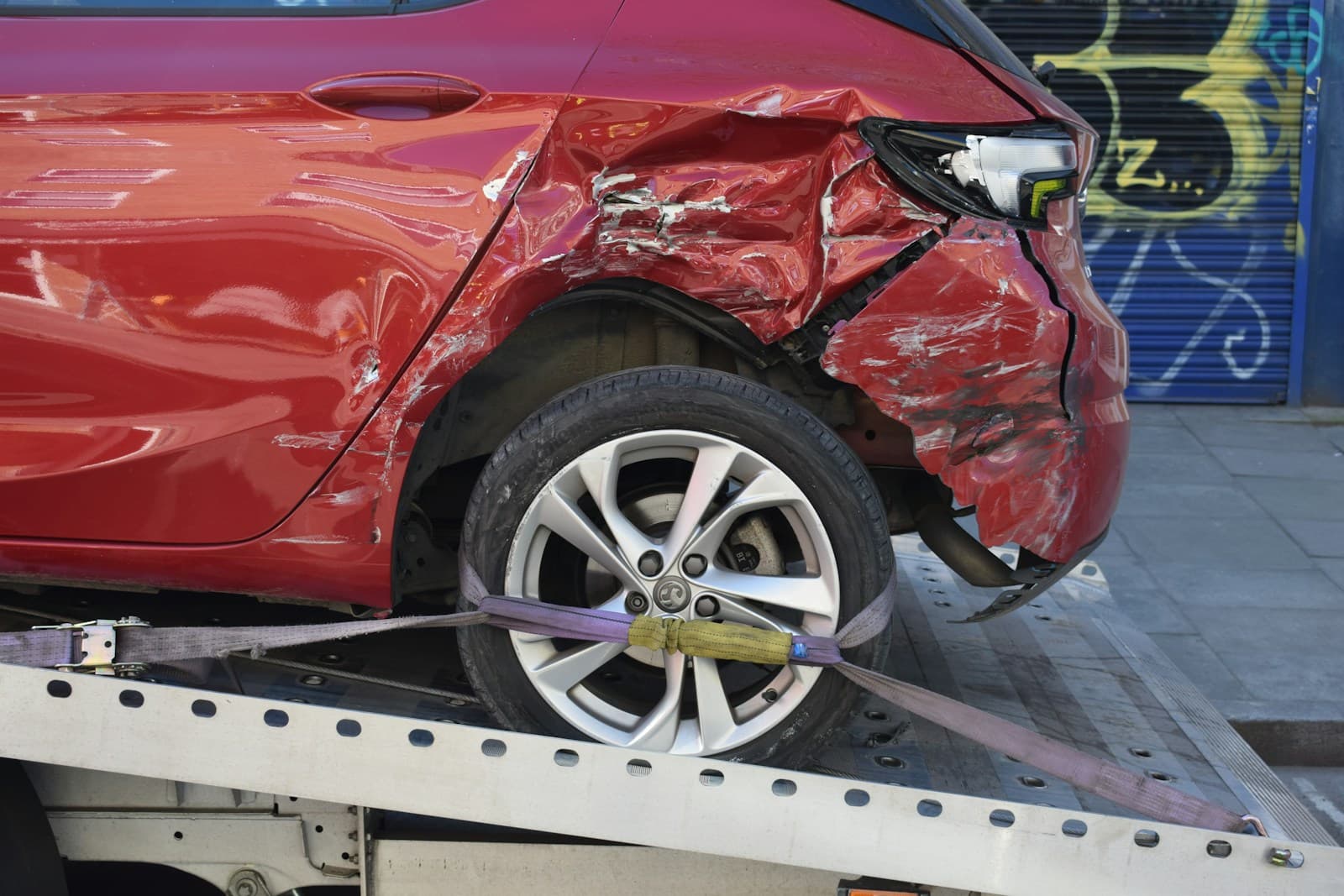
That $4,800–$7,200 savings assumes the teen remains claims-free. If the teen causes one at-fault accident during year one, the combined household policy sees a 25–40% surcharge applied to the entire premium for the next three to five years. If your household policy was $2,400/year before adding the teen and $5,400/year after adding them, a first-year accident raises the renewal premium to $6,750–$7,560 annually. That accident surcharge affects your rates for vehicles and drivers unrelated to the teen.
A standalone teen policy isolates that accident surcharge. The teen's $4,500/year standalone premium jumps to $5,625–$6,300 after an at-fault claim, but your separate policy remains unaffected. Over the three-year claims surcharge period, the isolation saves $2,700–$4,500 in avoided household premium increases, which partially offsets the higher upfront cost of the standalone policy.
When to Make the Switch
If you initially add your teen to your policy and they accumulate two or more violations or one at-fault accident within the first year, request a standalone policy quote before your renewal. Carriers allow you to remove a listed driver at any time, and the household policy premium adjusts downward immediately. The teen can obtain coverage from a non-standard carrier specializing in high-risk young drivers, often at rates 15–25% lower than what a standard carrier charges for the same risk profile on a household policy.
The break-even point for separation occurs when the teen's individual risk surcharge exceeds the multi-driver discount you lose by splitting policies. For most households, that threshold is one at-fault accident plus one moving violation, or two at-fault accidents, within a 12-month period. Below that threshold, the combined policy remains cheaper even with the surcharges applied.
Timing the switch to align with your policy renewal avoids mid-term cancellation fees and prorated premium adjustments. If your teen receives a violation four months before your renewal date, you'll pay the surcharged rate for those four months, but you can remove them and secure a standalone policy effective on your renewal date without penalty.