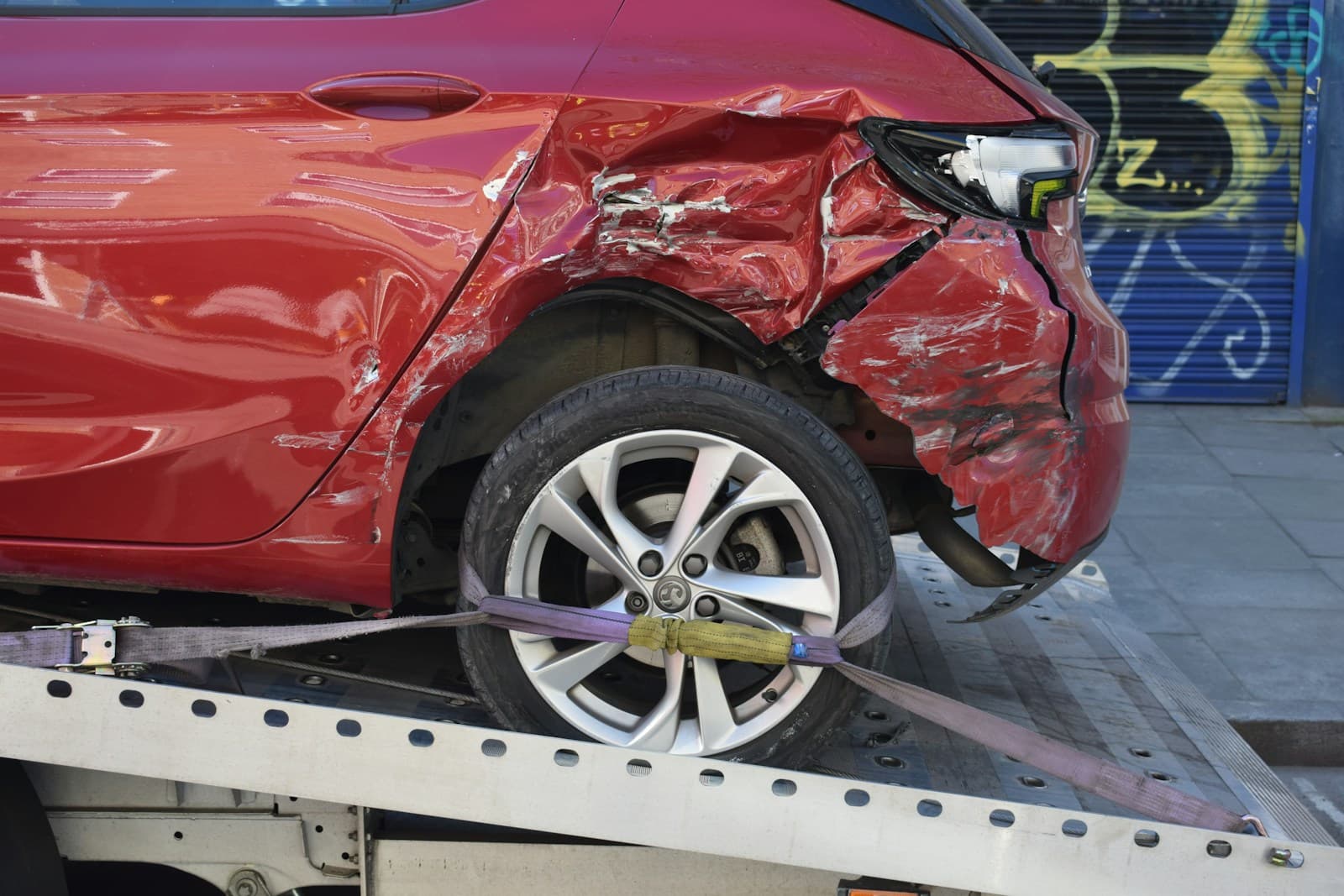
Most seniors keep full coverage past the point where it makes financial sense — this guide shows the exact coverage tier that protects you legally while cutting premiums 40–65% after retirement.
Why Your Coverage Needs Change After 65
Your renewal notice arrived with another rate increase, but the bigger issue is that you're likely paying for coverage designed for a working commuter with a financed vehicle — not a retiree driving 4,000 miles annually in a paid-off car. Most drivers over 65 maintain collision and comprehensive coverage on vehicles worth $6,000 or less, paying $80–140/mo in premiums when state-minimum liability costs $35–60/mo and covers the same legal exposure.
The math shifts dramatically after retirement. If your vehicle is worth $5,000 and your annual collision premium is $600 with a $500 deductible, you're paying $1,100 annually to protect $4,500 in net value on a car you drive primarily for errands and medical appointments. You'd need to total your vehicle every four years just to break even on collision coverage alone — a frequency most senior drivers never approach.
Retirement also changes your liability risk profile. Reduced annual mileage — typically dropping from 12,000–15,000 miles to 3,000–6,000 miles after 65 — means fewer hours of exposure. While age alone doesn't reduce liability risk, driving half as many miles does lower your statistical probability of causing an accident that triggers a liability claim.
State Minimum vs. Recommended Liability Limits After 65
State minimum liability coverage meets legal requirements but exposes you to serious financial risk if you cause an accident that exceeds those limits. Most states require $25,000 per person and $50,000 per accident in bodily injury liability, but a single serious injury can generate $100,000–300,000 in medical costs and lost wages. If you own a home, have retirement savings, or receive pension income, a liability judgment can attach to those assets.
The cost difference between state minimum and 100/300/100 liability limits typically runs $15–35/mo depending on your state and driving record. That's $180–420 annually to protect retirement assets you've spent decades accumulating. For most seniors on fixed incomes, this is the one coverage tier worth maintaining even on older vehicles — it's the only coverage protecting assets beyond the car itself.
If your total assets including home equity and retirement accounts exceed $100,000, consider maintaining 100/300/100 or 250/500/100 liability limits. If you own your home outright or have substantial savings, dropping collision and comprehensive while keeping higher liability limits cuts your premium 40–55% compared to full coverage while protecting what actually matters. State minimum liability makes sense primarily for seniors with minimal assets and very tight budgets where the $180–420 annual difference is genuinely unaffordable. affordable insurance for drivers with points
Find the minimum coverage that meets your state's requirements
Compare liability-only rates from carriers in your state — and see what discounts you qualify for.
Get Your Free Quote✓ Minimum Coverage Options✓ No Obligation✓ Licensed Carriers✓ All 50 States
When Collision and Comprehensive Stop Making Sense
Collision and comprehensive coverage become mathematically indefensible when annual premiums plus your deductible approach or exceed your vehicle's actual cash value. If your car is worth $4,000 and you're paying $900/year for collision with a $500 deductible, you're spending $1,400 annually to protect $3,500 in net value after the deductible. A total loss claim pays out once, but you've paid premiums year after year.
Most insurers apply the 10% rule: if your combined collision and comprehensive premium exceeds 10% of your vehicle's value, drop both coverages. For a $5,000 vehicle, that threshold is $500 annually or roughly $42/mo. If you're paying more than that, you're statistically better off self-insuring and banking the premium difference. A senior driving 4,000 miles annually has roughly one-third the collision exposure of someone driving 12,000 miles, making the premium-to-risk ratio even less favorable.
The specific calculation: take your vehicle's current value (check Kelley Blue Book or similar), subtract your collision deductible, then divide by your annual collision premium. If that number is less than 3, you're paying too much for too little protection. For comprehensive coverage, run the same math — most seniors find comprehensive justifiable longer than collision since it covers theft, vandalism, and weather damage at lower cost, typically $8–18/mo compared to $35–75/mo for collision.
Age-Specific Discounts That Actually Lower Your Bill
Mature driver discounts typically activate between ages 50–55 and offer 5–15% reductions, but they're automatically applied by most carriers and don't change your coverage decisions. The discount you control is the low-mileage reduction, which matters far more after retirement. Dropping from 12,000 annual miles to 4,000 miles can cut premiums 10–25% depending on the carrier, but you must report the mileage change — insurers don't track it automatically.
Some carriers offer pay-per-mile programs that charge a base rate plus a per-mile fee, typically $0.03–0.07 per mile. For seniors driving under 5,000 miles annually, these programs often cut total costs 30–50% compared to traditional policies. The break-even point sits around 6,000–8,000 annual miles depending on your base rate and per-mile charge. If you're driving primarily for appointments and errands rather than daily commuting, request quotes from pay-per-mile carriers like Metromile or Nationwide SmartMiles.
Defensive driving course discounts offer another 5–10% reduction in most states and renew every three years. The course costs $20–40 and takes 4–8 hours online. If you're paying $600 annually for liability-only coverage, a 10% discount saves $60/year, recovering the course cost in the first year. Some states mandate that insurers offer this discount to drivers over 55 who complete an approved course.
What Happens If You Drop Coverage and Need It Later
Dropping collision and comprehensive is permanent only until you choose to add them back. If you buy a newer vehicle or receive one as a gift, you can reinstate full coverage immediately without penalty. The concern is maintaining continuous coverage to avoid a coverage gap surcharge, but that applies to liability coverage — the legal minimum you must maintain to keep your license and registration valid.
If you drop to liability-only and later add collision back, insurers don't penalize the gap in physical damage coverage. They care about continuous liability coverage because a lapse signals higher risk and sometimes triggers state filings. As long as you maintain at least state-minimum liability without interruption, you preserve your insurance history and avoid the 10–40% surcharge most carriers apply after a coverage lapse of 30 days or more.
The one scenario that complicates this: if you drop all coverage entirely because you're not driving the vehicle for an extended period, you'll face a lapse penalty when you reinstate. If you're storing a vehicle for medical reasons or seasonal non-use, maintain liability-only coverage at roughly $30–50/mo rather than canceling entirely. That keeps your continuous coverage intact and costs far less than the lapse surcharge you'd pay later.
Medical Payments and Uninsured Motorist Coverage After 65
Medical payments coverage (MedPay) duplicates Medicare in most cases, making it unnecessary for seniors already covered by Medicare Parts A and B. MedPay typically costs $5–15/mo for $5,000 in coverage and pays medical bills after an accident regardless of fault, but Medicare covers the same expenses with no annual premium beyond Part B. If you have a Medicare supplement plan, you're already covered for copays and deductibles that MedPay would address.
Uninsured motorist coverage (UM) costs $8–25/mo depending on your limits and protects you if you're hit by a driver with no insurance or insufficient coverage. Roughly 13% of drivers nationwide operate without insurance, rising above 20% in states like Mississippi, Michigan, and Tennessee. UM coverage makes sense if you'd face financial hardship from medical bills or vehicle damage caused by an uninsured driver, but it becomes less critical if you're carrying liability-only coverage and wouldn't file a collision claim anyway.
Personal injury protection (PIP) is mandatory in no-fault states like Florida, Michigan, and New Jersey, so you can't drop it regardless of Medicare coverage. In states where it's optional, PIP typically duplicates Medicare but adds coverage for lost wages — irrelevant if you're retired — and household services. If you're not required to carry PIP and you have Medicare, decline it and save $15–40/mo depending on your state.