What Affects Rates in Surprise
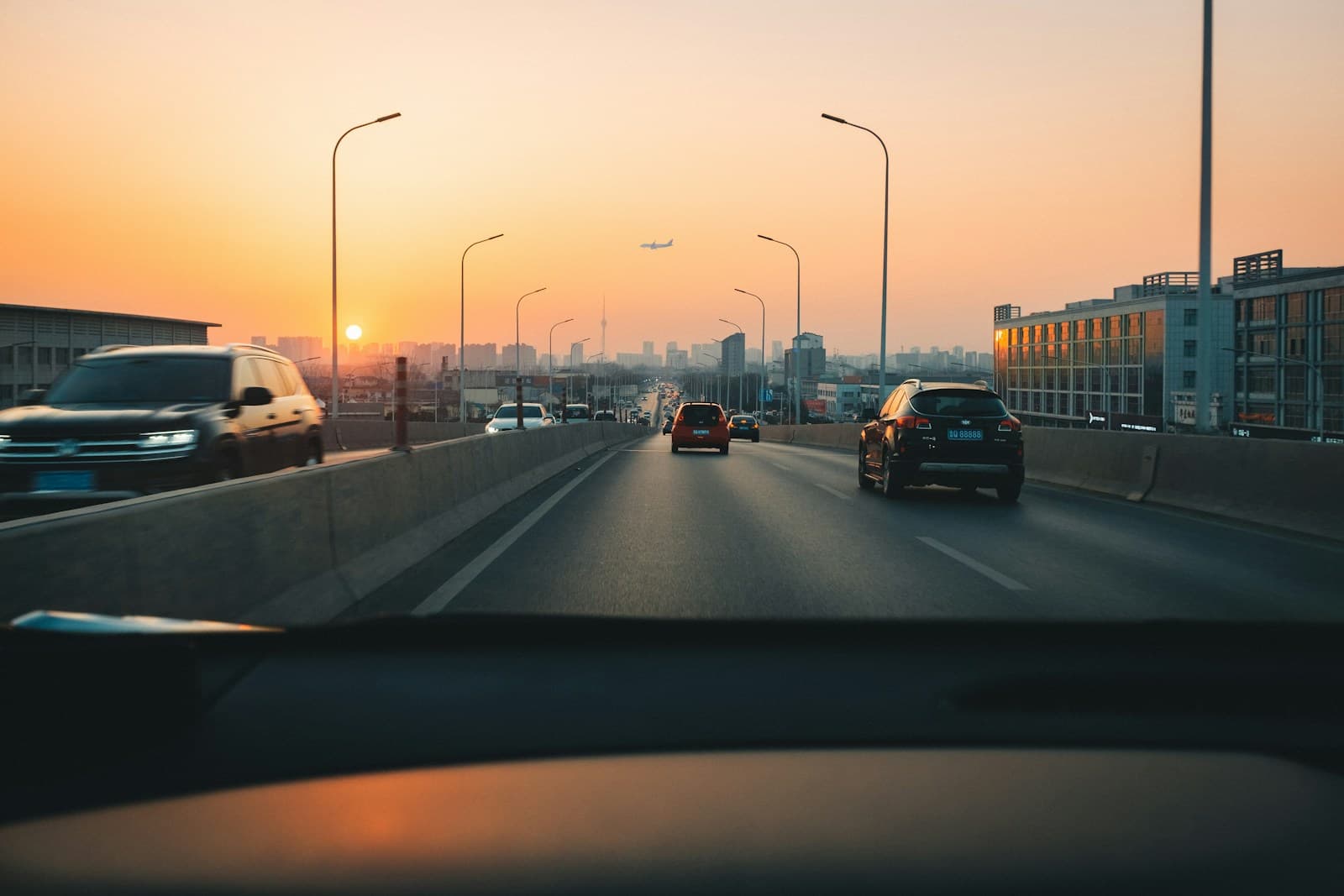
- The majority of Surprise residents commute east on US 60 toward Phoenix or Glendale, averaging 25-35 minute drives. This highway dependency increases mileage-based risk but avoids the stop-and-go congestion of I-17 or Loop 101 during peak hours. Drivers with shorter commutes or flexible schedules can often secure lower rates by accurately reporting annual mileage.
- Surprise expanded rapidly in the 2000s and 2010s, resulting in newer infrastructure and well-lit residential streets that reduce accident severity. Neighborhoods north of Bell Road see slightly lower rates than areas closer to Grand Avenue due to less commercial traffic. The concentration of retirees in Sun City Grand and other age-restricted communities also moderates overall claim frequency.
- Temperatures routinely exceed 110°F from June through August, accelerating tire blowouts, battery failures, and cooling system damage. While comprehensive coverage addresses some heat-related issues, liability-only drivers should budget for out-of-pocket mechanical failures. Parking in covered spaces when possible extends vehicle life and reduces heat exposure.
- Arizona's uninsured motorist rate hovers around 12-14%, slightly higher in suburban areas where enforcement is less visible than urban centers. The lack of required proof-of-insurance at registration increases exposure on commuter routes like US 60 and Grand Avenue. Uninsured motorist coverage adds $80-140 annually but protects against uncollectible claims from at-fault drivers without insurance.
- Surprise Stadium hosts Kansas City Royals and Texas Rangers spring training each February and March, increasing traffic volume around Stadium Boulevard and Bell Road. Short-term visitors and unfamiliar drivers create temporary accident clusters near event venues. Rates don't typically adjust for this seasonal spike, but drivers near the stadium should expect heavier congestion during these months.
Find the minimum coverage that meets your state's requirements
Compare liability-only rates from carriers in your state — and see what discounts you qualify for.
Get Your Free QuoteCoverage Recommendations
Cost estimates are based on available industry data and vary by driver profile. These are not insurance quotes.
State Minimum Liability
Adequate for many Surprise drivers with paid-off vehicles, but offers no protection for your own car after an at-fault accident on US 60 or Grand Avenue commutes.
$425-575/yearEstimated range only. Not a quote.
Full Coverage
Adds $900-1,400 annually in Surprise; only cost-effective if your vehicle is worth more than 8-10 times the added premium or required by your lender.
$1,325-1,975/yearEstimated range only. Not a quote.
Uninsured Motorist
With 12-14% of Arizona drivers uninsured, this adds $80-140/year but protects against uncollectible claims on busy commuter routes like US 60.
$80-140/yearEstimated range only. Not a quote.
Comprehensive Only
Rarely cost-effective in Surprise's suburban setting; most older vehicles don't justify the $250-400 annual cost when weighing payout after deductible.
$250-400/yearEstimated range only. Not a quote.