What Affects Rates in Twin Falls
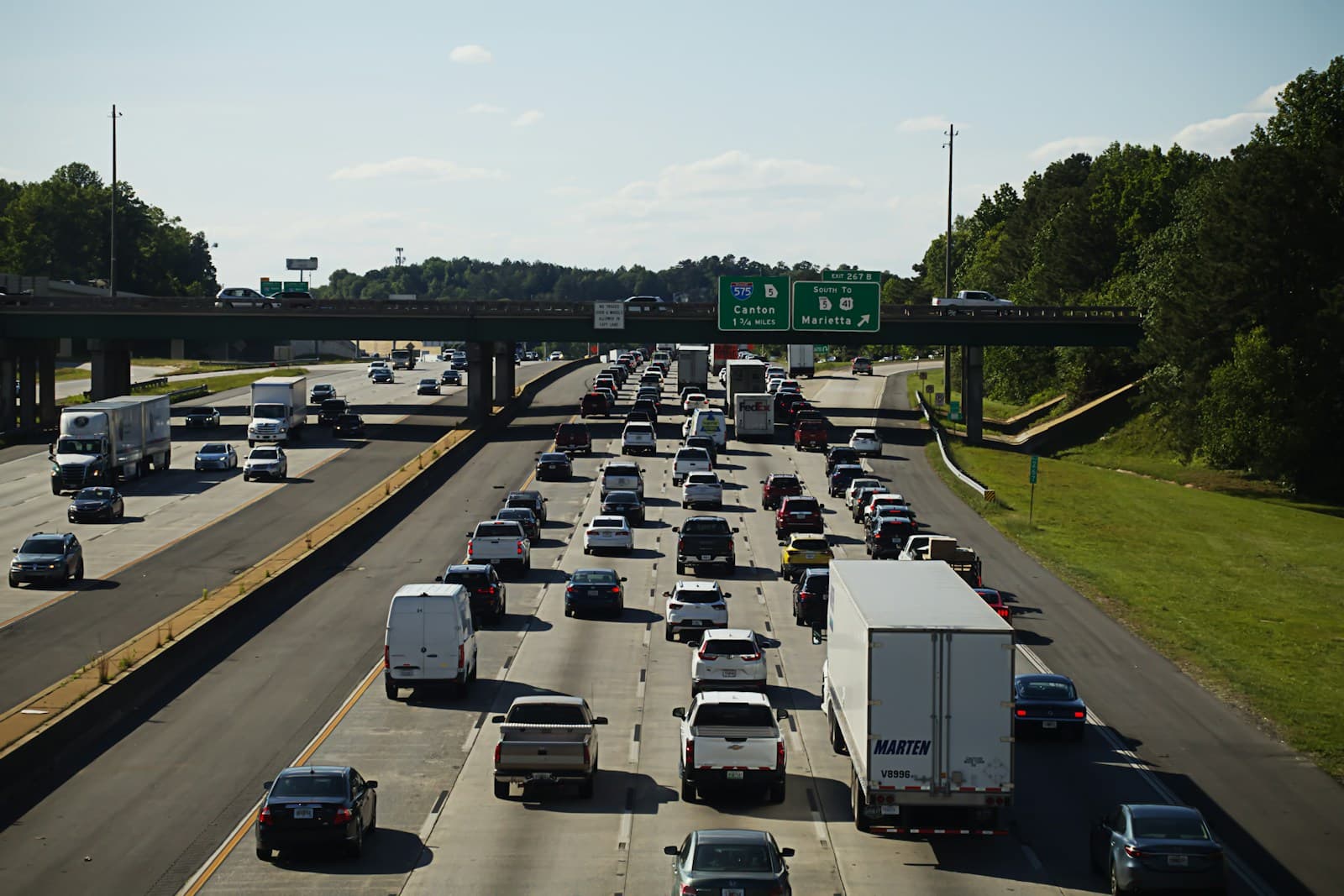
- Interstate 84 cuts through Twin Falls carrying heavy commercial traffic between Salt Lake City and Boise. Accident frequency increases near the Blue Lakes Boulevard and US-93 interchanges during peak hours and winter weather. Collision coverage costs reflect this exposure, but liability-only drivers pay less than in higher-density metros.
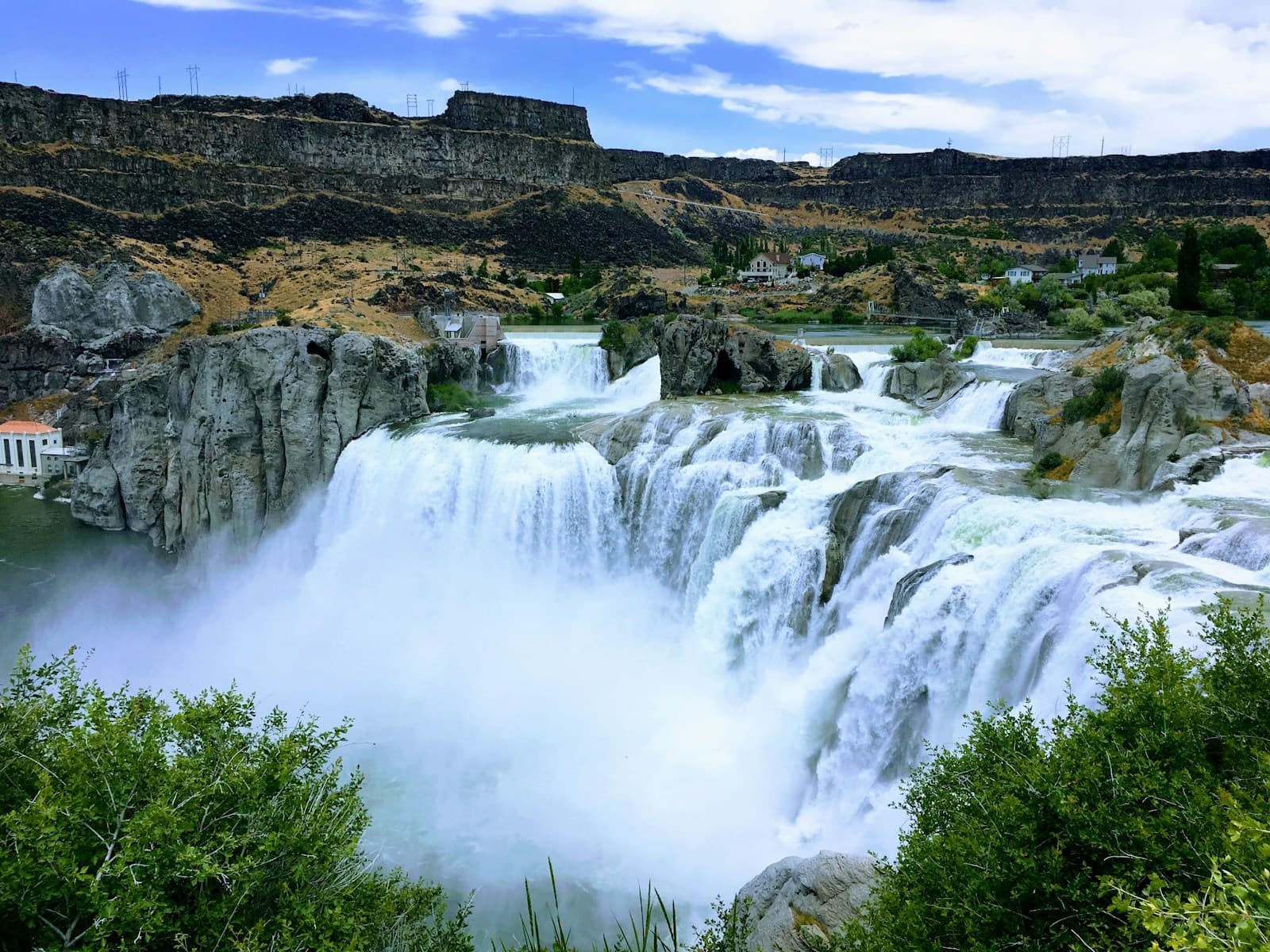
- The Perrine Bridge and Snake River Canyon create unique traffic patterns, with US-93 serving as the primary north-south route through the city. Summer tourist traffic to Shoshone Falls and BASE jumping sites increases congestion and accident risk along Blue Lakes and Canyon Springs Road. Rates in neighborhoods near these corridors run 8-12% higher than eastern Twin Falls.
- Twin Falls serves surrounding farming communities, bringing slow-moving agricultural equipment onto highways like Addison Avenue and Kimberly Road during planting and harvest seasons. Claims involving farm machinery are infrequent but costly, though this primarily affects comprehensive coverage rather than minimum liability policies.
- Twin Falls sees moderate winter snowfall (18-24 inches annually) with occasional ice storms creating hazardous conditions on canyon-area roads and overpasses along I-84. Comprehensive coverage costs reflect windshield damage from road debris and hail, but drivers with older vehicles often skip this to maintain minimum premiums.
- Vehicle theft rates in Twin Falls remain well below state and national averages, with most incidents concentrated near shopping areas along Pole Line Road and Blue Lakes Boulevard. Comprehensive coverage for theft protection adds $180-$280 annually — a cost many drivers with vehicles under $5,000 in value choose to skip.
Find the minimum coverage that meets your state's requirements
Compare liability-only rates from carriers in your state — and see what discounts you qualify for.
Get Your Free QuoteCoverage Recommendations
Cost estimates are based on available industry data and vary by driver profile. These are not insurance quotes.
Liability Only
Sufficient for older vehicles in Twin Falls where most accidents involve I-84 corridor fender-benders rather than high-speed collisions.
$320-$480/yearEstimated range only. Not a quote.
Full Coverage
Adds $750-$1,020/year for collision coverage on Perrine Bridge and canyon roads plus comprehensive for hail and windshield damage from gravel trucks on rural highways.
$1,100-$1,500/yearEstimated range only. Not a quote.
Uninsured Motorist
Twin Falls County sees moderate uninsured rates typical of agricultural regions, though lower than Idaho's rural northern counties.
$80-$140/yearEstimated range only. Not a quote.
Comprehensive Only
Popular for older trucks parked in Twin Falls but driven on rural highways where deer strikes on US-93 south toward Rogerson are common.
$180-$280/yearEstimated range only. Not a quote.