What Affects Rates in Quincy
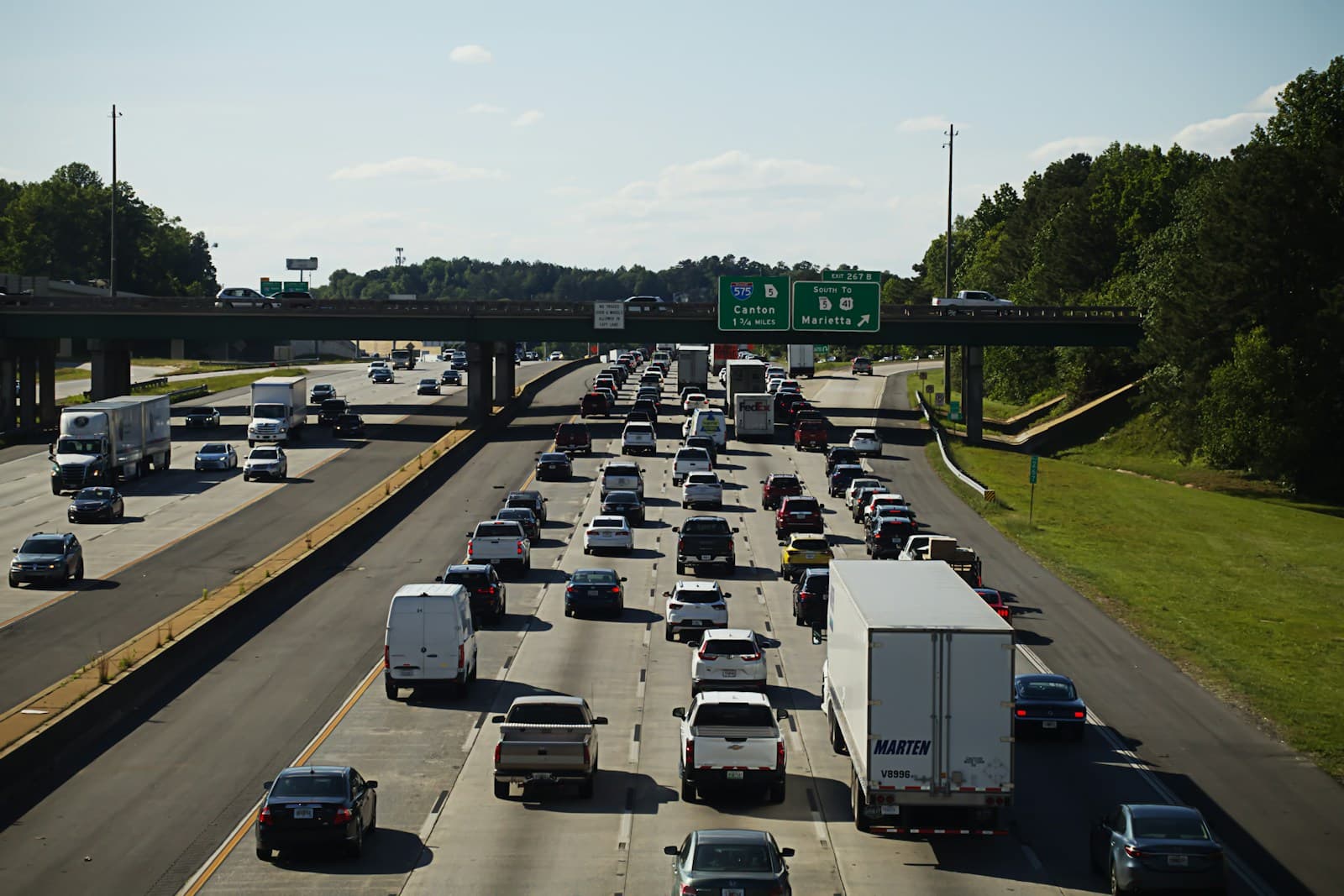
- Quincy's location on the Southeast Expressway (I-93) creates daily collision exposure during Boston commutes, particularly at the Furnace Brook Parkway and Squantum Street exits. Route 3A through Quincy Shore Drive and Wollaston Beach sees heavy weekend traffic and frequent fender-benders in rotaries near the Neponset River Bridge. This congestion drives up collision claim frequency compared to less transit-dependent suburbs.
- Proximity to Quincy Bay and the Atlantic means vehicles face aggressive salt exposure from both winter road treatments and sea air, particularly in Marina Bay, Squantum, and Hough's Neck neighborhoods. Older vehicles depreciate faster here, making the cost-benefit calculation for comprehensive coverage even less favorable for budget-conscious drivers with cars over 10 years old.
- Quincy Center's dense residential blocks and tight street parking around Hancock Street and the Red Line stations lead to elevated vandalism and hit-and-run rates. Neighborhoods like West Quincy and Germantown see higher rates than outlying areas like Wollaston Heights, but all remain cheaper than Boston proper while costlier than Plymouth or Brockton.
- Low-lying areas near Squantum and along the Neponset River face periodic flooding during coastal storms, affecting comprehensive claims. Drivers parking in these zones pay more for full coverage, but those with older vehicles often skip comprehensive entirely to avoid premiums that exceed vehicle value within two years.
- Access to MBTA Red Line stations at Quincy Center, Quincy Adams, Wollaston, and North Quincy allows some residents to reduce annual mileage, qualifying for low-mileage discounts. Drivers who commute to Boston via transit rather than I-93 can see 10-15% savings, making this a key strategy for cost-conscious policyholders.

Find the minimum coverage that meets your state's requirements
Compare liability-only rates from carriers in your state — and see what discounts you qualify for.
Get Your Free QuoteCoverage Recommendations
Cost estimates are based on available industry data and vary by driver profile. These are not insurance quotes.
Liability-Only (Minimum)
Adequate for older vehicles in Quincy, where salt corrosion reduces car value quickly and comprehensive premiums often exceed vehicle worth within 2-3 years.
$1,350–$2,100/yearEstimated range only. Not a quote.
Collision Coverage
Higher rates near I-93 and Route 3A due to frequent rear-end collisions during commute hours, but rarely cost-effective for cars over $8,000 in value given Quincy's depreciation rates.
+$500–$900/yearEstimated range only. Not a quote.
Comprehensive Coverage
Elevated cost in Quincy Center and Marina Bay due to parking density and coastal storm risk, but salt corrosion means most vehicles lose comprehensive value faster here than inland suburbs.
+$300–$600/yearEstimated range only. Not a quote.
Uninsured Motorist
Massachusetts requires UM/UIM coverage as part of minimum policies, providing critical protection given I-93's high commuter volume and out-of-state traffic through Quincy.
Included in minimumEstimated range only. Not a quote.