What Affects Rates in Sparks
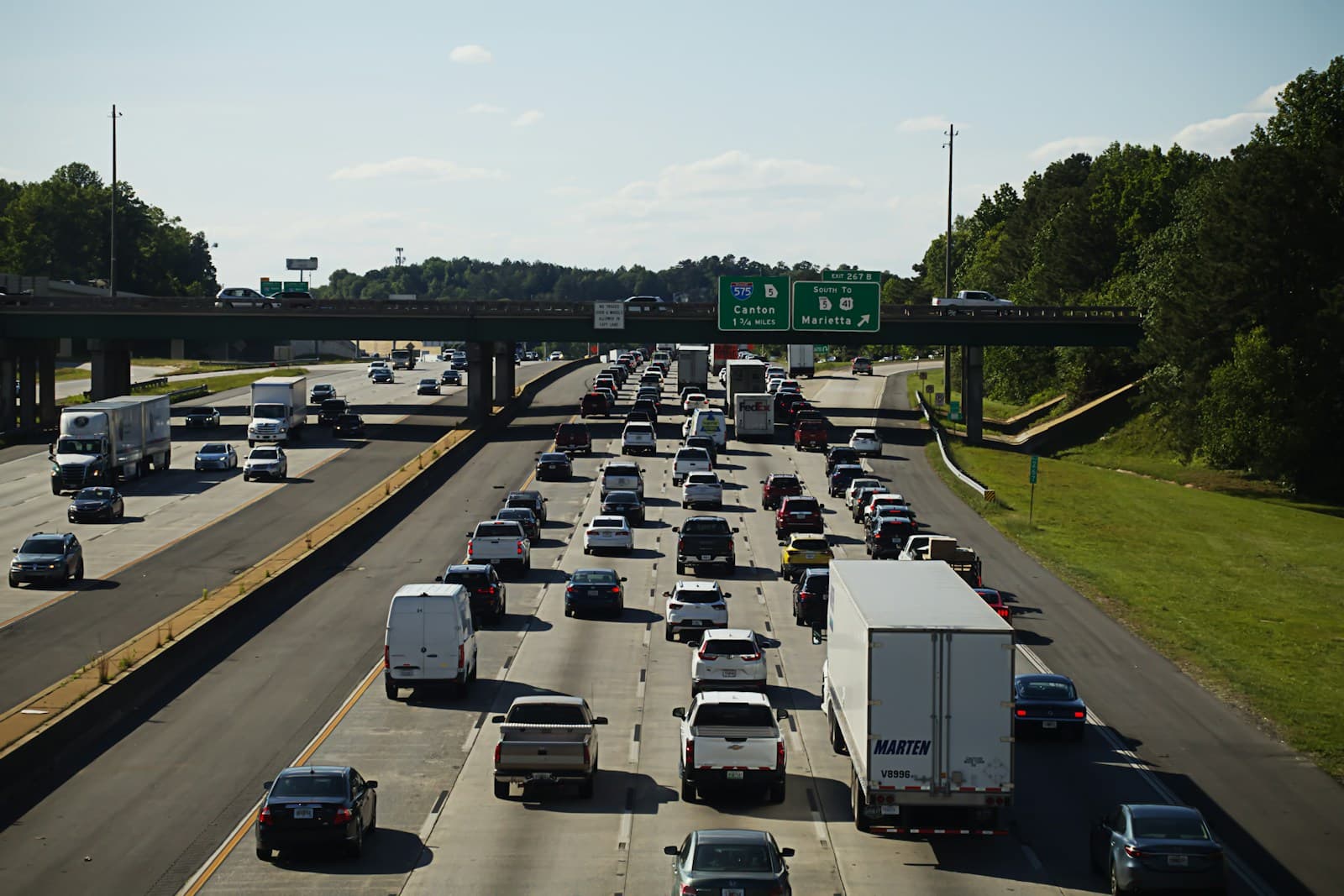
- Most Sparks drivers use I-80 westbound to reach Reno jobs or US-395 for north-south travel. The I-80 stretch between Sparks Boulevard and McCarran sees regular congestion during morning and evening peaks, increasing rear-end collision frequency. Insurers factor commute distance and corridor choice into your rate—a 15-mile daily round trip to Reno costs less to insure than a 40-mile haul to Carson City.
- Older vehicles face different theft risk depending on location. Areas near the Outlets at Legends and Sparks Marina generally see lower theft rates than neighborhoods closer to the Reno boundary along 4th Street and Prater Way. Comprehensive coverage—which covers theft—typically costs $18-30/month more than liability-only, a calculation that matters if you park an older car outside overnight in higher-risk zones.
- Sparks sits at 4,400 feet elevation, and winter storms bring ice to I-80 and local roads from November through March. Black ice on the I-80 descent toward Reno causes multi-car pileups most winters. Minimum liability covers damage you cause to others, but not your own vehicle in a weather-related crash—collision coverage adds $35-55/month for older cars, a trade-off many cost-conscious drivers skip.
- About 11% of Nevada drivers lack insurance, and Washoe County tracks close to that average. If an uninsured driver hits you, your liability-only policy pays nothing for your vehicle damage or medical bills. Uninsured motorist coverage adds $8-15/month, but many budget-focused drivers accept the risk to keep premiums under $60/month.
- Drivers who work at Sparks employers like Panasonic's Gigafactory, the Amazon facility, or Tesla suppliers often have shorter commutes and lower annual mileage than those commuting into downtown Reno. Lower annual mileage—under 8,000 miles per year—can reduce your premium by 5-10%, so accurate mileage reporting matters for minimum-coverage shoppers watching every dollar.

Find the minimum coverage that meets your state's requirements
Compare liability-only rates from carriers in your state — and see what discounts you qualify for.
Get Your Free QuoteCoverage Recommendations
Cost estimates are based on available industry data and vary by driver profile. These are not insurance quotes.
Liability Only (25/50/20)
Cheapest option for older cars in Sparks, but leaves you exposed if hit by an uninsured driver on I-80.
$48-72/monthEstimated range only. Not a quote.
Liability + Uninsured Motorist
Costs an extra $8-15/month and matters on high-traffic corridors like I-80 where uninsured driver encounters are more likely.
$56-87/monthEstimated range only. Not a quote.
Full Coverage (Comprehensive + Collision)
Adds $55-85/month in Sparks—usually not justified for cars worth under $4,000 given annual premium cost versus vehicle value.
$110-160/monthEstimated range only. Not a quote.
Collision Only Add-On
Costs $35-55/month and helps if you're worried about winter I-80 accidents but less about theft risk in your neighborhood.
$83-127/monthEstimated range only. Not a quote.