What Affects Rates in Toms River
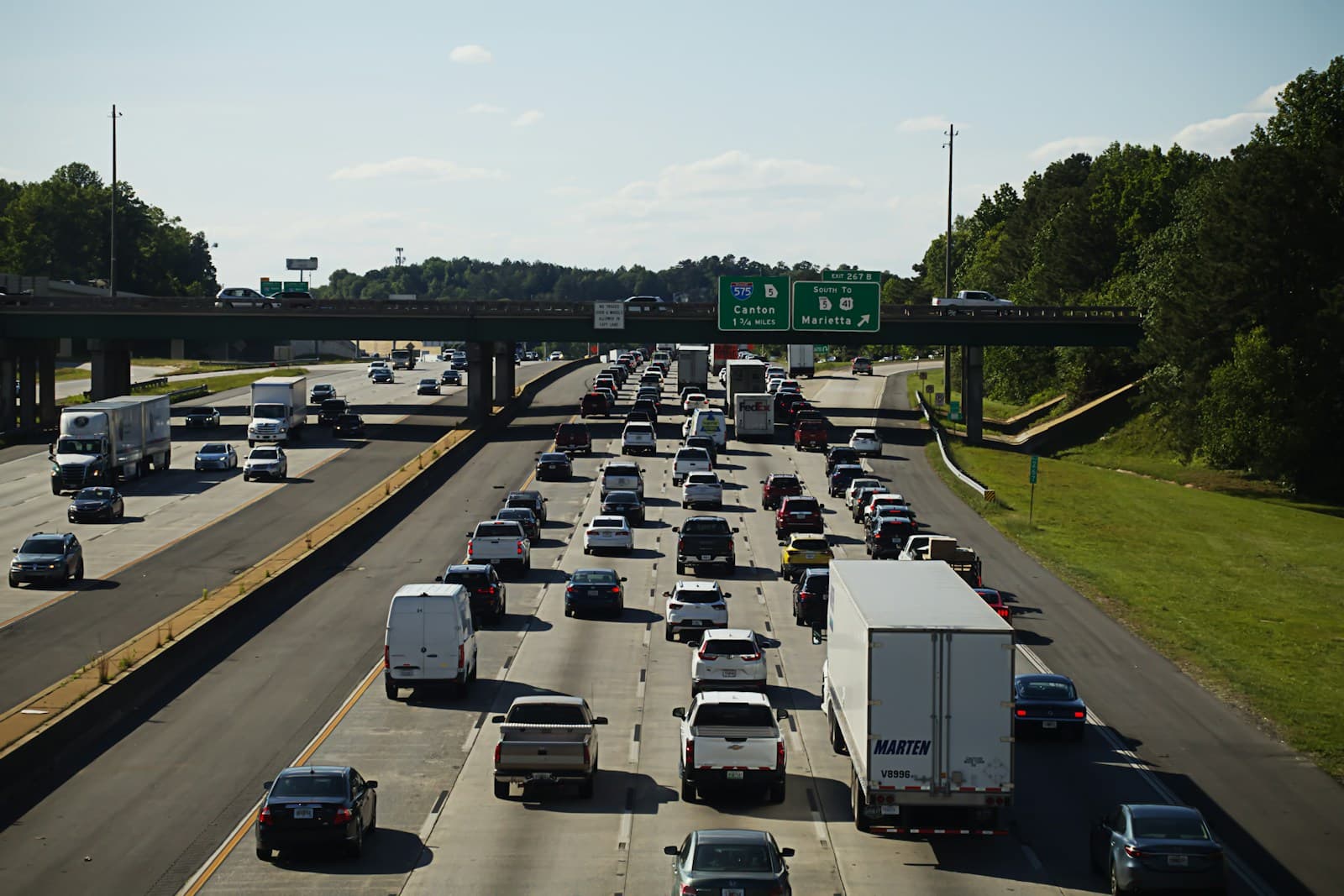
- Most Toms River workers commute north on the Parkway toward Middlesex or Monmouth counties, logging 25–40 miles daily. This high-mileage pattern increases collision exposure compared to local-only drivers. Rush hour backups at Exit 82 and Route 37 intersections raise rear-end accident frequency, particularly during summer beach traffic.
- Toms River sits just inland from Barnegat Bay, making it vulnerable to nor'easters and hurricane remnants that bring flooding and wind damage. While comprehensive coverage isn't required, older vehicles parked outdoors face higher risk during October–March storm season. Areas near Route 166 and Silverton have experienced repeated flooding events.
- The Route 37 strip from Hooper Avenue to Fischer Boulevard sees constant congestion with box stores, strip malls, and distracted drivers. Fender-benders are common in parking lot turnouts and left-turn lanes. Liability-only drivers here should understand they'll pay out-of-pocket for damage they cause in these frequent low-speed collisions.
- Ocean County's uninsured motorist rate runs slightly above the state average, particularly among seasonal workers in hospitality and construction. Route 9 and Route 166 corridors see higher incidences. Declining the optional uninsured motorist coverage saves $8–15 monthly but leaves you exposed if hit by an uninsured driver.
- Toms River's median household income is below state average, and many residents drive vehicles 10+ years old with no loan requirements. For these drivers, minimum liability-only coverage makes financial sense—comprehensive and collision premiums often exceed the vehicle's actual cash value within 2–3 claims cycles.
Find the minimum coverage that meets your state's requirements
Compare liability-only rates from carriers in your state — and see what discounts you qualify for.
Get Your Free QuoteCoverage Recommendations
Cost estimates are based on available industry data and vary by driver profile. These are not insurance quotes.
Liability Only (State Minimum)
Adequate for older cars with no loan, but Route 37 and Parkway accidents can easily exceed $5K property damage limits, leaving you personally liable for the difference.
$79–$104/monthEstimated range only. Not a quote.
Enhanced Liability
Adds $18–30 monthly but provides meaningful protection on the Parkway where multi-vehicle pileups during shore traffic can generate six-figure injury claims against you.
$97–$134/monthEstimated range only. Not a quote.
Liability + Comprehensive
Worth considering if you park outdoors near flood-prone areas along Silverton or Route 166, where nor'easter flooding has repeatedly damaged vehicles—but only if your car is worth more than $4,000.
$115–$158/monthEstimated range only. Not a quote.
Full Coverage
Rarely cost-effective for vehicles over 8 years old in Toms River; annual premiums often reach 25–35% of an older car's value, meaning you'd recover costs only through multiple claims.
$165–$245/monthEstimated range only. Not a quote.
Uninsured Motorist
Ocean County's uninsured rate is above state average, making this $8–15/month add-on worth considering for Route 9 and local road driving where enforcement is lighter than on toll highways.
+$8–$15/monthEstimated range only. Not a quote.