What Affects Rates in West Fargo
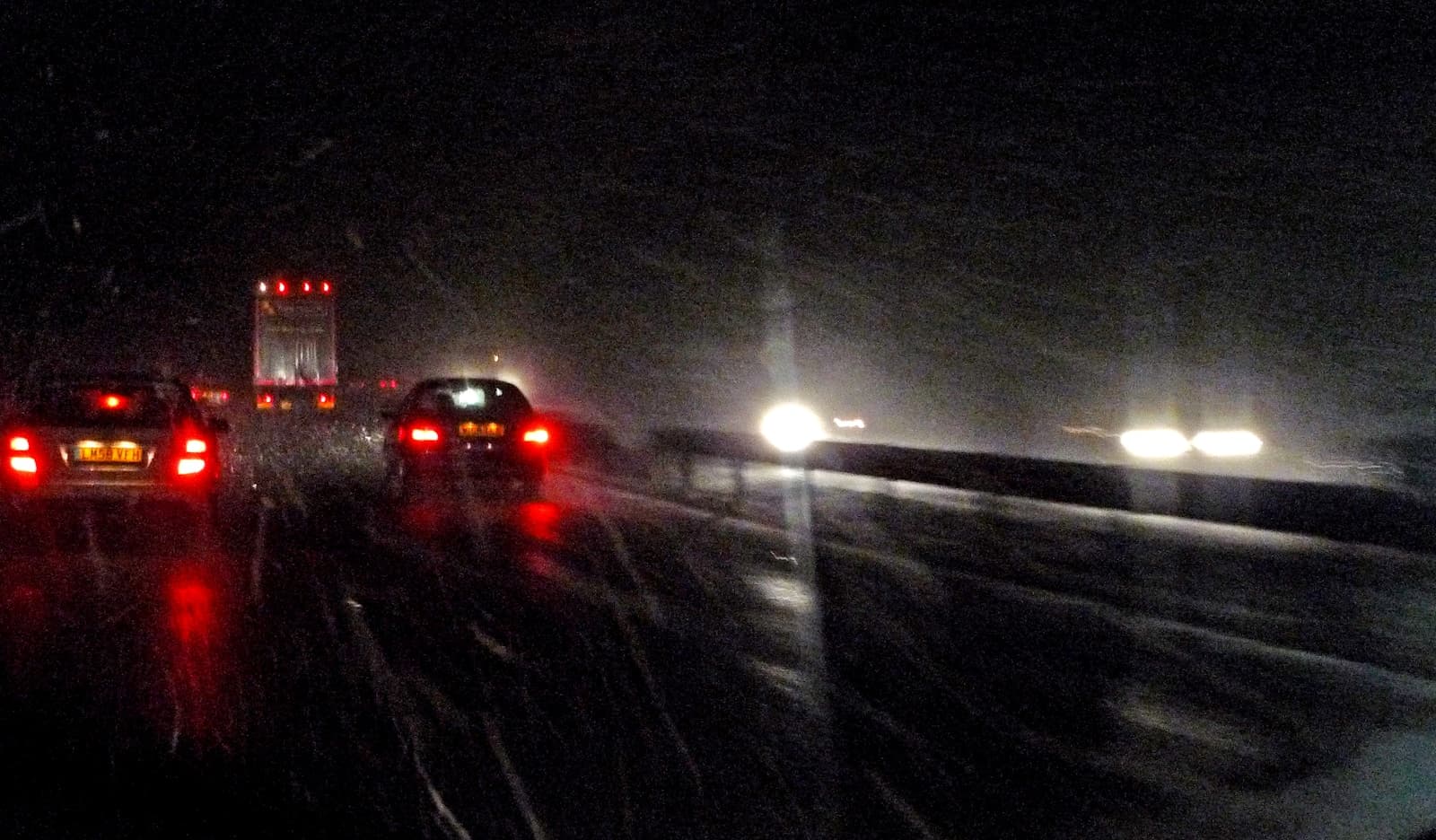
- Most West Fargo residents commute east into Fargo via I-94 or 13th Avenue, creating concentrated rush-hour exposure. Winter pileups on the I-94 stretch between West Fargo and Fargo are common during whiteout conditions. Drivers spending 20+ minutes daily on this corridor face higher collision risk than those working locally.
- Sheyenne Street serves as the primary north-south arterial through West Fargo's retail core, with heavy traffic near Veterans Arena and shopping centers. Rear-end collisions spike during winter months when ice accumulates at stoplights between 9th Avenue and Main Avenue. This corridor sees more claims than quieter residential streets south of I-94.
- Rapid suburban expansion south of I-94 means frequent construction zones on Elm Street and 9th Street West. Temporary traffic patterns and gravel tracking increase minor collision rates. Neighborhoods like Horace Road subdivisions have fewer accidents overall but longer emergency response times than central West Fargo.
- Western edges of West Fargo transition quickly into farmland, with slow-moving equipment on County Road 17 and 64th Avenue during planting and harvest seasons. Collision risk increases for drivers unfamiliar with rural roads. This exposure is less common in Fargo's urban core.
Find the minimum coverage that meets your state's requirements
Compare liability-only rates from carriers in your state — and see what discounts you qualify for.
Get Your Free QuoteCoverage Recommendations
Cost estimates are based on available industry data and vary by driver profile. These are not insurance quotes.
Liability Only (Minimum)
Covers your legal obligation if you cause an accident on I-94 or Sheyenne Street, but pays nothing toward your own vehicle repairs.
$380-$520/yearEstimated range only. Not a quote.
Full Coverage
Protects against winter slide-offs on 13th Avenue and deer strikes on western rural roads, but costs $1,100-$1,300 more than minimum.
$1,450-$1,850/yearEstimated range only. Not a quote.
Uninsured Motorist
North Dakota has moderate uninsured driver rates; more relevant on rural county roads than in West Fargo's suburban core.
$80-$140/yearEstimated range only. Not a quote.
Collision
Makes sense if your vehicle is worth more than $3,000-$4,000; for older cars, you may pay more in premiums than the car's value.
$400-$700/yearEstimated range only. Not a quote.