Illinois requires 25/50/20 liability coverage, but that leaves you fully exposed if your own car is damaged. Here's what the state minimum protects—and what it doesn't.
Illinois State Minimum Coverage Requirements and Real-World Costs
Illinois law requires all drivers to carry 25/50/20 liability insurance—$25,000 per person for bodily injury, $50,000 per accident for bodily injury, and $20,000 for property damage. According to the Illinois Department of Insurance, the average cost for state minimum coverage in Illinois is approximately $636 per year, though rates vary significantly by ZIP code, driving record, and insurer.
This is liability-only coverage. It pays for damage you cause to other people and their property. It does not cover repairs to your own vehicle, your medical bills after an at-fault accident, or damage from theft, vandalism, or weather. If you're driving a 2008 sedan worth $4,500, that's your financial exposure every time you're behind the wheel.
Uninsured motorist coverage is not required in Illinois, but it must be offered by your insurer. You can reject it in writing. Given that approximately 13.7% of Illinois drivers are uninsured (Insurance Information Institute, 2022), this optional coverage protects you when the at-fault driver has no insurance—but it adds $50 to $150 annually to your premium.
What 25/50/20 Liability Actually Pays For (and Where It Falls Short)
The $25,000 per person limit sounds adequate until you consider real accident costs. The average hospital emergency room visit for a moderate injury costs $1,200 to $3,000. A broken bone requiring surgery can exceed $15,000. If you cause an accident that seriously injures someone—resulting in $40,000 in medical bills—your policy pays the first $25,000. You're personally liable for the remaining $15,000, which can lead to wage garnishment or a lien on assets.
The $20,000 property damage limit is even tighter. The average new car costs over $48,000 in 2024. If you total a two-year-old SUV valued at $35,000, your liability coverage pays only $20,000. The other driver's insurance will pursue you for the $15,000 shortfall. For cost-conscious drivers, this creates a risk calculation: paying $636 annually protects you from moderate claims but leaves significant personal exposure in serious accidents.
Illinois compiled statutes require proof of financial responsibility after certain violations—SR-22 filings for DUIs, uninsured accidents, or license suspensions. Minimum coverage satisfies this legal requirement, but the SR-22 filing itself typically increases premiums by 30% to 50% for three years.
Find the minimum coverage that meets your state's requirements
Compare liability-only rates from carriers in your state — and see what discounts you qualify for.
Get Your Free Quote✓ Minimum Coverage Options✓ No Obligation✓ Licensed Carriers✓ All 50 States
Who Should Stick With Minimum Coverage (and Who Shouldn't)
Minimum coverage makes financial sense if you drive an older vehicle with low resale value and you have limited assets to protect. If your car is worth $3,000 and you have no home equity or significant savings, paying an extra $400 to $800 annually for collision and comprehensive coverage offers poor return—you'd recover at most $3,000 minus your deductible, likely $500 to $1,000.
The calculation shifts if you own a home, have retirement accounts, or drive a financed vehicle. Lenders require collision and comprehensive coverage until the loan is paid off. If you own assets worth protecting, the liability-only structure of minimum coverage exposes you to lawsuits that can reach beyond the policy limits. A $100,000 judgment after a serious accident can result in liens on your home or garnishment of up to 15% of gross wages under Illinois law.
Consider the break-even: if you're paying $636 for minimum coverage and $1,200 for a policy with 100/300/100 liability limits plus collision, you're spending an extra $564 annually. That buys you four times the bodily injury protection per person and five times the property damage coverage. For drivers with moderate assets, that's often worth the cost.
How Minimum Coverage Rates Vary Across Illinois
Location drives significant rate variation even for identical minimum coverage. Drivers in Chicago's Cook County typically pay $850 to $1,100 annually for 25/50/20 coverage due to higher accident rates, theft, and uninsured motorist frequency. In contrast, rural counties like Williamson or Jefferson see rates between $450 and $600 for the same policy.
Your driving record compounds these differences. A clean record in a low-cost ZIP code might secure minimum coverage for $380 to $480 per year. A single at-fault accident increases that by 20% to 40%. A DUI typically doubles or triples minimum coverage premiums for three to five years, pushing annual costs to $1,200 or more even for bare-bones liability.
Age also matters. Drivers under 25 pay 50% to 100% more than drivers aged 30 to 50 for identical coverage. A 22-year-old in suburban Cook County might pay $1,400 annually for state minimum coverage, while a 40-year-old in the same ZIP code pays $700. For young drivers on tight budgets, this creates difficult trade-offs between legal compliance and affordability.
Optional Coverages Illinois Drivers Can Skip or Add
Illinois insurers must offer uninsured motorist (UM) and underinsured motorist (UIM) coverage, but you can decline both in writing. UM/UIM covers your injuries and vehicle damage when the at-fault driver has no insurance or inadequate limits. With nearly 14% of Illinois drivers uninsured, this coverage addresses a real risk—but it adds $80 to $200 annually depending on limits.
Medical payments coverage (MedPay) is another optional add-on. It pays your medical bills regardless of fault, typically in amounts from $1,000 to $10,000. For drivers without health insurance or with high-deductible plans, MedPay offers a safety net. A $5,000 MedPay policy costs approximately $60 to $100 per year. If you have comprehensive health coverage, it's often redundant.
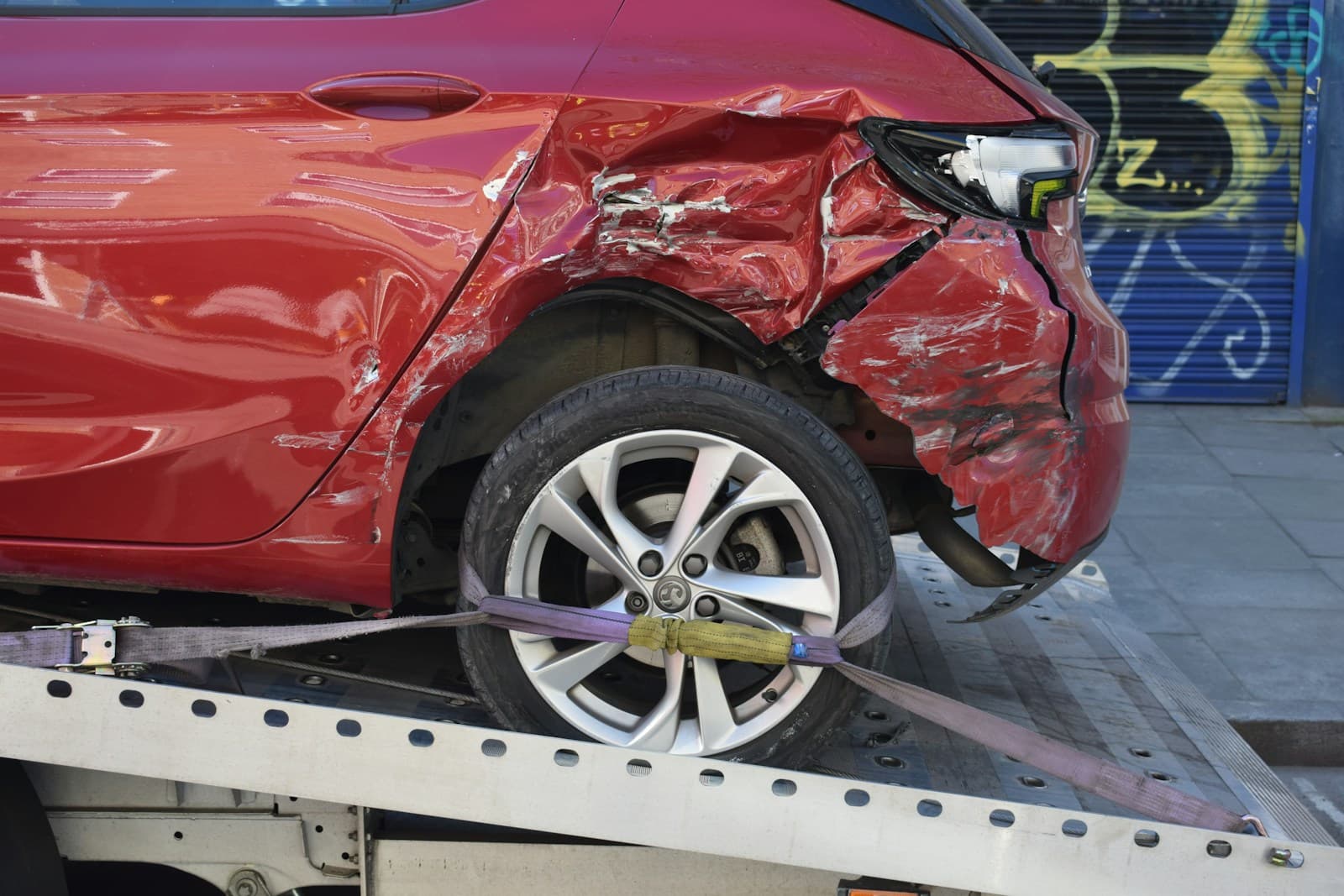
Collision coverage and comprehensive coverage are the two components that protect your own vehicle. Collision pays for damage from accidents regardless of fault. Comprehensive covers theft, vandalism, hail, and animal strikes. For a 2010 vehicle worth $5,000, collision and comprehensive together cost roughly $300 to $500 annually with a $1,000 deductible. The math rarely justifies this expense for cars worth under $4,000. Collision coverage
How to Lower Your Minimum Coverage Premium Without Dropping Protection
Increasing your liability limits slightly—from 25/50/20 to 50/100/50—typically costs only $150 to $250 more per year but significantly reduces personal financial exposure. This is often the best value upgrade for drivers who want to remain cost-conscious but avoid catastrophic liability risk.
Bundling policies can reduce premiums by 10% to 20%. If you rent, adding a renter's insurance policy for $150 to $200 annually often unlocks a multi-policy discount that saves $100 or more on auto insurance. Paying your premium in full rather than monthly eliminates installment fees of $5 to $10 per month, saving $60 to $120 annually.
Maintaining continuous coverage matters. A lapse of even a few days signals higher risk to insurers and can increase your rate by 10% to 30% when you reinstate. For drivers on tight budgets, this makes low-cost minimum coverage preferable to cycling on and off insurance. Illinois law allows license suspension for driving uninsured, and reinstatement fees add $250 to $500 in administrative costs.
What Happens If You're Caught Driving Without Illinois Minimum Coverage
Illinois issues approximately 10,000 license suspensions annually for insurance-related violations. If you're pulled over without proof of insurance, the fine ranges from $500 to $1,000 for a first offense. Your license is suspended until you provide proof of insurance and pay a $100 reinstatement fee. Subsequent offenses increase fines and may result in vehicle impoundment.
If you cause an accident while uninsured, you're personally liable for all damages with no policy to cover defense costs or settlements. Even a minor accident causing $8,000 in vehicle damage and $4,000 in medical bills creates a $12,000 judgment against you. Illinois courts can garnish wages, place liens on property, and suspend your license until the judgment is satisfied.
For drivers who genuinely cannot afford standard minimum coverage, some insurers offer pay-per-mile policies or usage-based programs that reduce premiums for low-mileage drivers. These policies maintain legal compliance while cutting costs by 20% to 40% for drivers logging fewer than 7,500 miles annually. This is almost always preferable to driving uninsured.