What Vermont Law Actually Requires
Vermont requires four coverage types before you can register a vehicle: bodily injury liability ($25,000 per person, $50,000 per accident), property damage liability ($10,000 per accident), personal injury protection (PIP), and uninsured motorist coverage. Most states stop at liability; Vermont adds two layers of first-party protection that raise the compliance floor and the premium floor together.
The law treats these as a package. You cannot register a car, renew plates, or reinstate after a lapse without proof of all four. The state does not publish a PIP minimum dollar amount in statute, but carriers writing in Vermont build PIP into every policy as a mandatory coverage. Uninsured motorist coverage must match your liability limits unless you reject it in writing, which few budget-conscious drivers should do given Vermont's 11.8% uninsured motorist rate.
Find the minimum coverage that meets your state's requirements
Compare liability-only rates from carriers in your state — and see what discounts you qualify for.
Get Your Free QuoteVermont Per-Person Liability Floor
$25,000
This is the minimum bodily injury coverage required per person injured in an at-fault accident. A multi-day hospital stay, surgery, or permanent injury routinely exceeds this cap, leaving the at-fault driver personally liable for the difference.
Vermont Department of Motor Vehicles
The Gap Between Legal and Sufficient
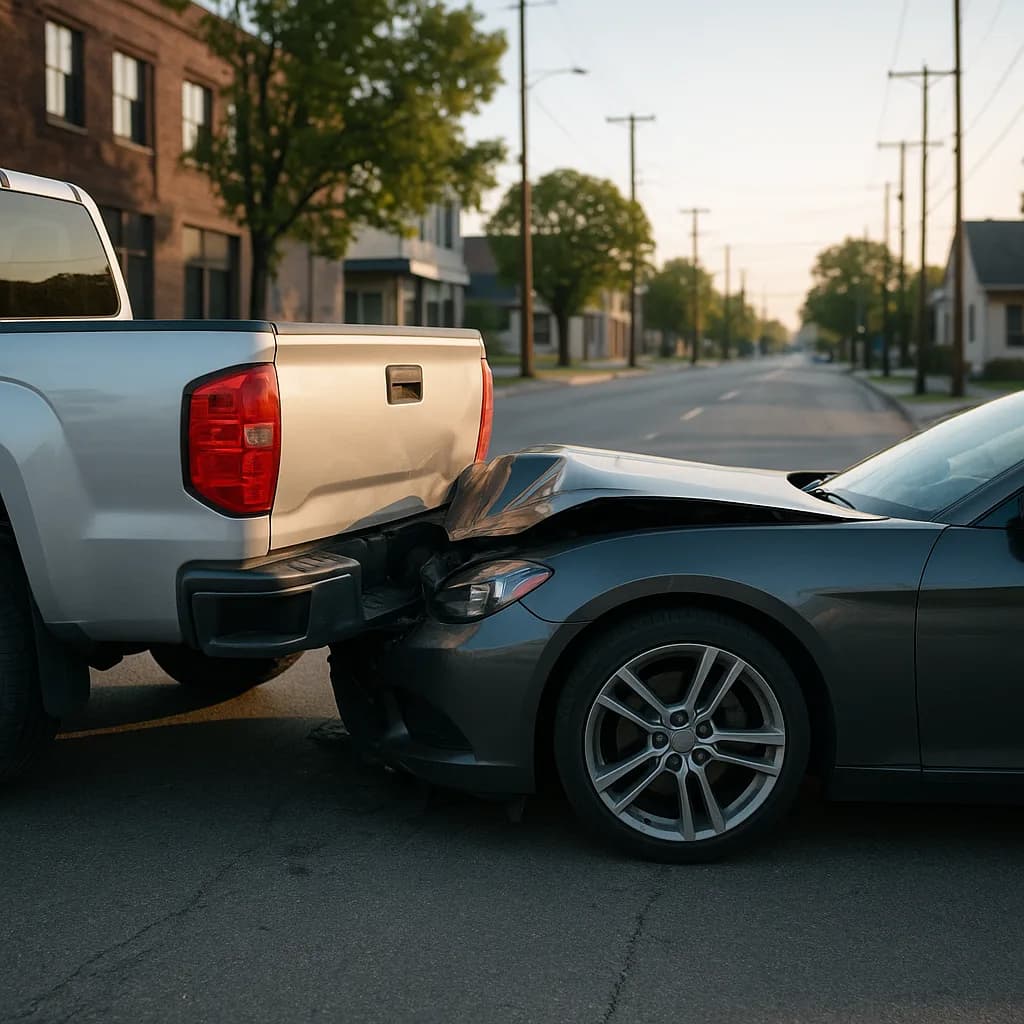
The state minimum satisfies the registration requirement. It does not satisfy the full lawsuit exposure from a serious at-fault accident. Vermont's $25,000 per-person limit covers one injured person's medical bills, lost wages, and pain-and-suffering damages combined. A broken bone with surgery, three days in the hospital, and six weeks of lost work can exceed that cap before the settlement negotiation even begins.
The $10,000 property damage limit covers the other driver's vehicle repair or replacement. Totaling a newer SUV or pickup costs more than that floor. When your liability limit runs out, the injured party's claim continues against your personal assets: bank accounts, wages, home equity if you own property. Vermont allows wage garnishment for unsatisfied judgments.
This is the structural reality budget drivers face: the cheapest legal policy protects the state's interest in financial responsibility, not your interest in asset protection. Deciding whether the floor is enough requires knowing what you own, what you earn, and what a creditor could reach if a claim exceeds your limits.
The minimum satisfies the law. It does not cap your liability. When an at-fault accident's costs exceed your policy limits, the claim continues against your wages and assets directly.
What Each Required Coverage Actually Pays

Bodily injury liability pays the other driver and their passengers when you cause an accident. It covers their medical bills, lost income, rehabilitation costs, and pain-and-suffering damages up to your per-person and per-accident limits. It does not pay anything for your own injuries or your passengers' injuries. Property damage liability pays to repair or replace the other driver's vehicle and any other property you damage (fences, mailboxes, storefronts). It does not pay to fix your own car.
Personal injury protection (PIP) pays your medical bills and lost wages after an accident regardless of who caused it. Vermont PIP is no-fault: you file with your own carrier, not the at-fault driver's insurer, which speeds payment but also means your own policy absorbs the cost. Uninsured motorist coverage pays your medical bills and lost income when an uninsured or hit-and-run driver injures you. Given that nearly 12% of Vermont drivers carry no insurance, this coverage fills a gap liability alone cannot.
Related Articles





Collision and Comprehensive Are Optional
Vermont does not require collision or comprehensive coverage. Collision pays to repair your own vehicle after an accident regardless of fault. Comprehensive pays for theft, vandalism, weather damage, animal strikes, and other non-collision losses. Both carry deductibles; you pay the first $500 or $1,000 of each claim, and the policy pays the rest up to your vehicle's actual cash value.
These coverages make sense when your car's value justifies the premium. A general threshold: if your vehicle is worth less than ten times the annual cost of collision and comprehensive combined, the coverage may cost more over a few years than a total-loss payout would return. A car worth $3,000 with $400/year in collision and comprehensive premiums breaks even in 7.5 years of no claims. Older paid-off vehicles often fall below this line.
If you finance or lease, the lender requires both. Once the loan is paid off, the decision is yours. Dropping both cuts your premium significantly but leaves you paying out-of-pocket to replace the vehicle after a total loss. The right call depends on whether you could replace the car tomorrow without the insurance payout.
Carriers Writing in Vermont
25
Vermont's market includes standard-tier carriers (State Farm, Geico, Progressive, Allstate), preferred-tier carriers (USAA for military families, Amica), and non-standard specialists (Dairyland, The General, National General) serving drivers with violations or lapses. Rates vary widely between tiers; multi-quoting across tiers is the only way to find the actual lowest price for your profile.
Vermont Department of Financial Regulation carrier licensure records
Lapse Penalties and Reinstatement Costs
Vermont suspends registration when your insurer reports a policy cancellation for nonpayment. The suspension is automatic. You do not receive a separate warning from the DMV; the cancellation notice from your carrier is the only notice you get. Driving on a suspended registration is a separate violation that compounds the original problem.
Reinstating costs $96 as a base fee, but the real cost is higher. You must buy a new policy and file SR-22 proof of insurance for three years after certain violations, which raises premiums across that entire period. Carriers classify a lapse as a coverage gap, which triggers higher rates even after reinstatement. The cheapest path is paying the missed premium before the cancellation becomes effective; once the lapse is reported to the state, the reinstatement process costs more than the original missed payment ever did.
How to Decide if the Minimum Is Enough
Start with what you own and earn. If you own a home, have significant savings, or earn wages a creditor could garnish, carrying only the state minimum exposes those assets to a judgment that exceeds your liability limits. If you own an older paid-off vehicle, rent, and have minimal savings, the exposure calculation is different: you have less for a creditor to reach, and the premium savings from minimum coverage may outweigh the risk.
Next, consider Vermont's uninsured motorist rate. Nearly 12% of drivers carry no insurance. When an uninsured driver injures you, your uninsured motorist coverage is the only source of payment for your medical bills and lost income beyond what PIP covers. Rejecting uninsured motorist coverage to save premium leaves you personally responsible for costs an uninsured at-fault driver cannot pay. Most budget-conscious drivers keep this coverage at the minimum required level rather than rejecting it entirely.
Compare Carriers by Tier and Quote Channel
Vermont's 25 licensed carriers price the same driver differently based on underwriting tier. Standard-tier carriers (Geico, Progressive, State Farm) offer the lowest rates to drivers with clean records. Non-standard carriers (Dairyland, The General, National General) specialize in higher-risk profiles and often beat standard carriers' prices for drivers with violations, lapses, or SR-22 requirements. Preferred-tier carriers (USAA, Amica) serve specific audiences and may not quote all drivers.
Get quotes from at least one carrier in each tier that writes your profile. Most offer online quotes; a few require phone contact. Rates for the same coverage can vary by hundreds of dollars annually between carriers, and the cheapest option for a clean-record driver is rarely the cheapest for a driver with a recent violation. The comparison step is where budget drivers find the actual lowest price, not by assuming one carrier is always cheapest across all profiles.